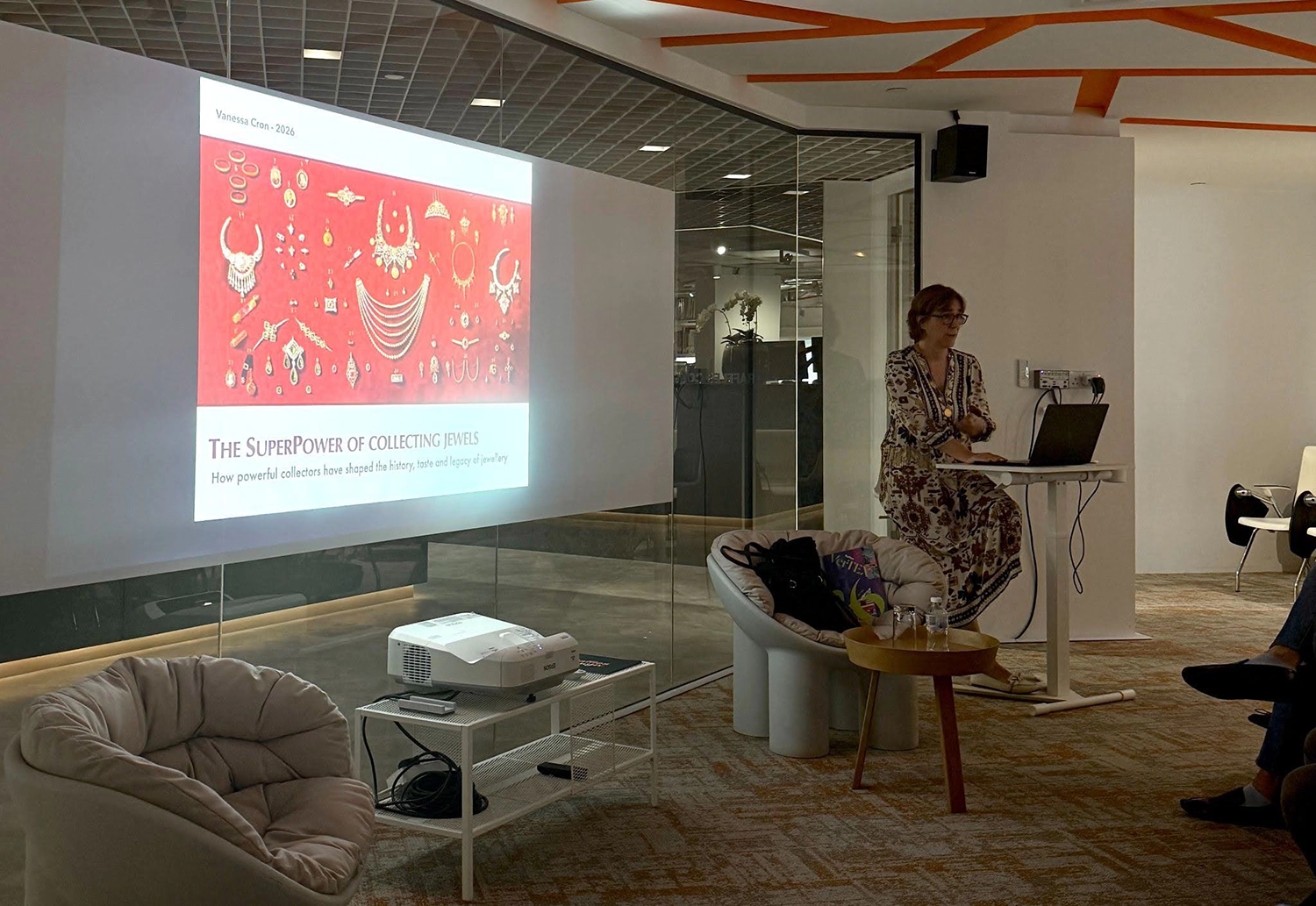
In September, we had the pleasure of listening to Vanessa Cron break down the culture of procuring jewellery and what goes into building a collection. Vanessa has spent years in the industry as both a connoisseur and consultant, and currently lectures at Christie’s Education. Our two part series begins with investigating the reasons behind why we buy jewellery, and ends with the role of collectors in this industry. From one gemstone lover to the next, it was such a treat to learn from a jewellery historian like Vanessa.
How do powerful collectors shape the history, taste, and legacy of jewellery?
The first question posed to us was: Why do we buy jewellery? She then introduced the acronym FITS: Feeling, Investment, Taste, Style.
Feeling
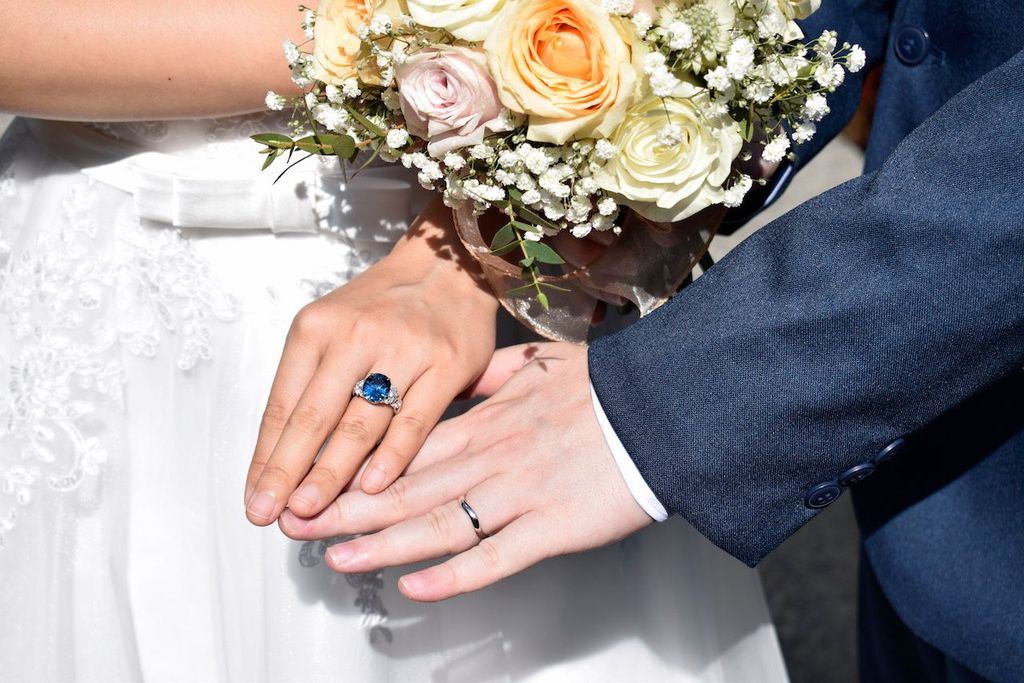
Each piece of jewellery represents more than the sum of what it’s made of. Of course, there is a monetary value attached to the size of a gemstone, the metal chosen, and the intricacy of the piece. Still, these factors are incapable of summarising the emotional value a piece can hold. Almost instinctively, we think of engagement and wedding bands which symbolises a committed partnership. Vanessa went further, explaining that these pieces encapsulate just about any human emotion you could think of. A friendship bracelet, an inherited necklace from your grandmother, or a class ring from college graduation all carry the same function – we decorate ourselves not only to look beautiful, but because it means something to us. Elizabeth Taylor was a star example.
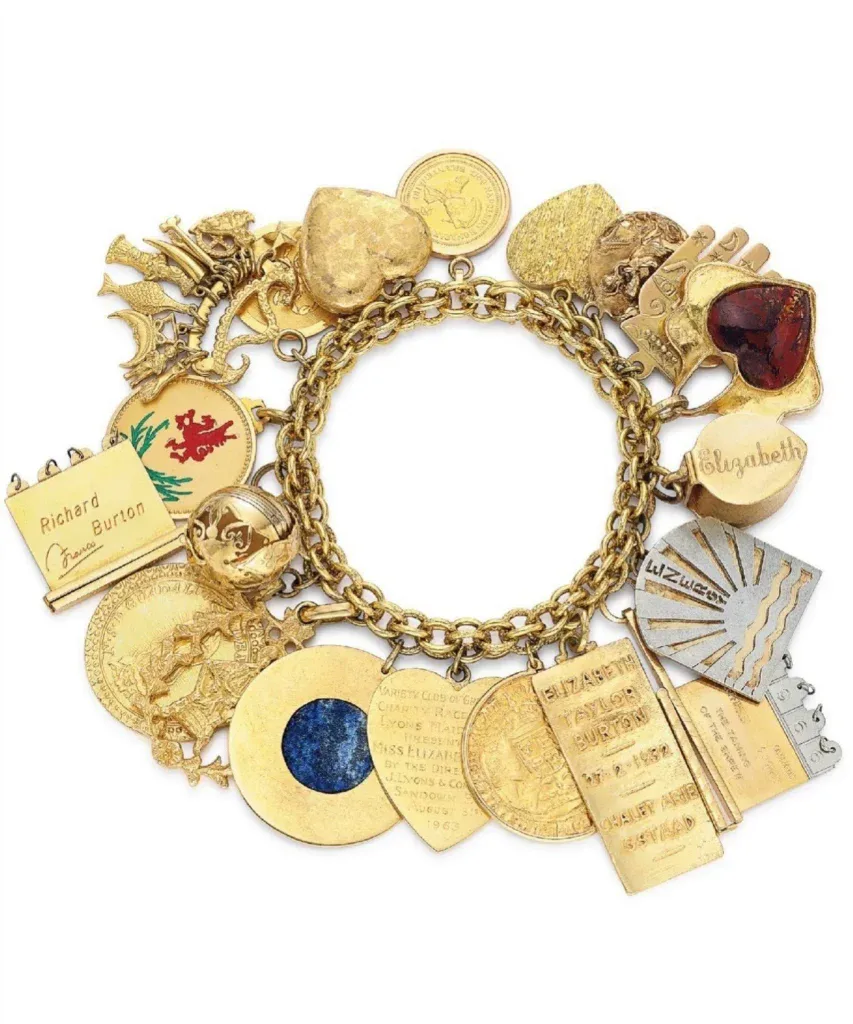
Each charm pays homage to the many facets of Elizabeth Taylor’s life
Investment
It goes without saying that gold and precious stones have long since been measures of personal wealth. For centuries we have used them as means of currency, adornment by royalty, and soldiers carried amulets believing it fortified themselves during battle. Some collectors approach jewellery primarily through its intrinsic value, setting emotional attachment aside. The rest of us might covet these gems for different reasons and they only aid to increase its monetary value.
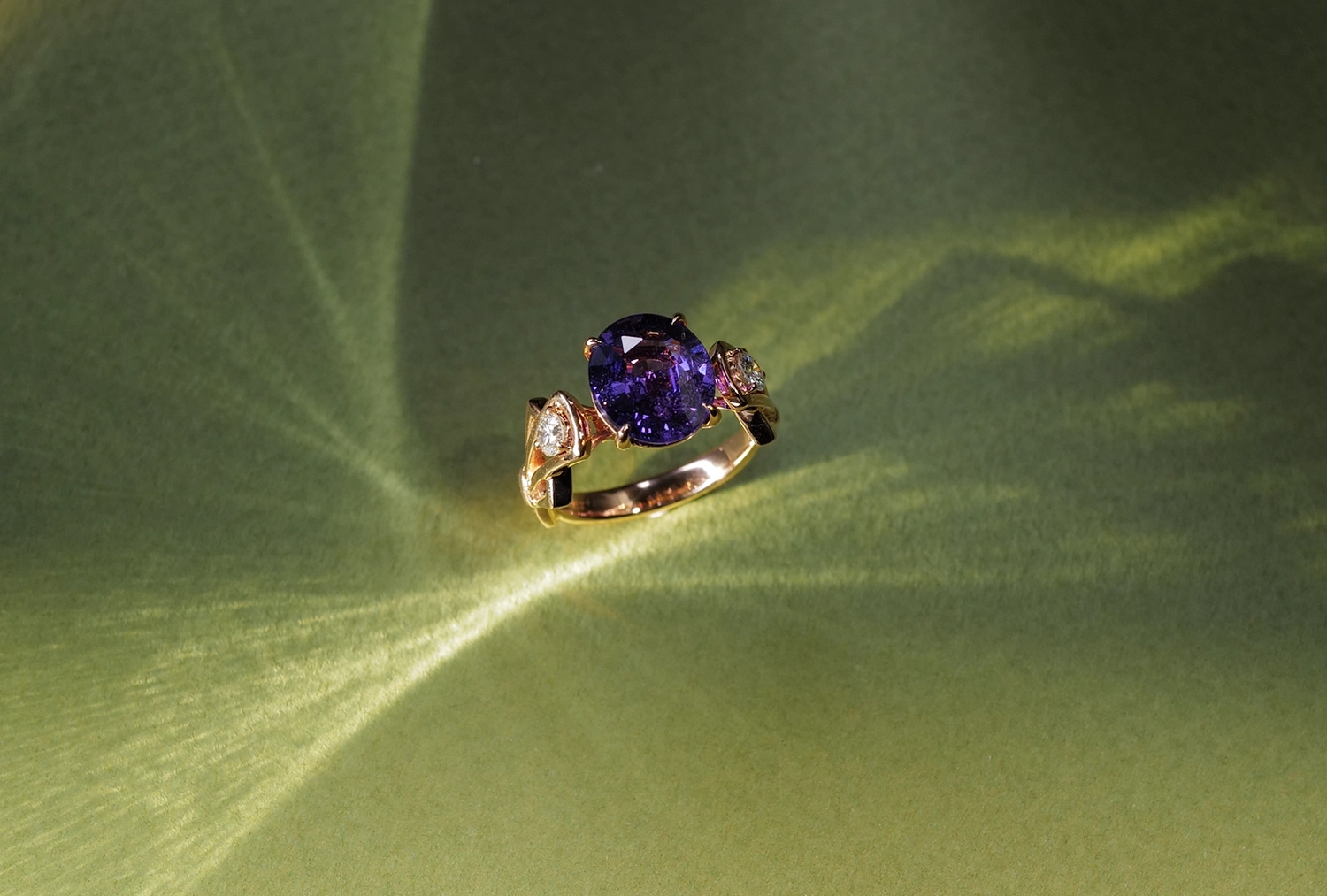
The next logical question would be, what should I invest now that would let me retire in the next 10 years? It’s not so simple, Vanessa shrugs, how did we know 30 years ago that colored stones would be all the rage today? Even if you did invest in a paraiba tourmaline previously, there isn’t a sure fire way you would have been able to evaluate the actual profit you would have gained. Historically, information about coloured gemstones was scarce. Outside the traditional “big three” of emerald, ruby and sapphire, diamonds dominated the jewellery landscape. Without knowledge, there is no supply. Without supply, demand does not exist. Over time, and especially since COVID, bigger jewellery houses started incorporating different stones into their pieces such as spinels, tourmalines, and garnets – the list goes on and on. This is something we see at Calla Lily, where unusual coloured gemstones have always been a particular focus. Even as the value of gemstones climb, the pursuit of the perfect stone remains ever so alluring.
When it comes to jewellery that has surpassed generations, who gets to decide its value in today’s context? Well, Vanessa tells us that auctions are the best estimates. This is because it reflects an open market instead of a fixed retail price point which might only consider material cost and labor. During the bidding process, the price is driven up by the appeal of said piece which cannot otherwise be calculated. Many pieces that are listed by auction houses also carry a piece of history with them, making them both works of art and historical artifacts. Undoubtedly, their uniqueness and legend adds yet another layer that makes them even more desirable.
Taste
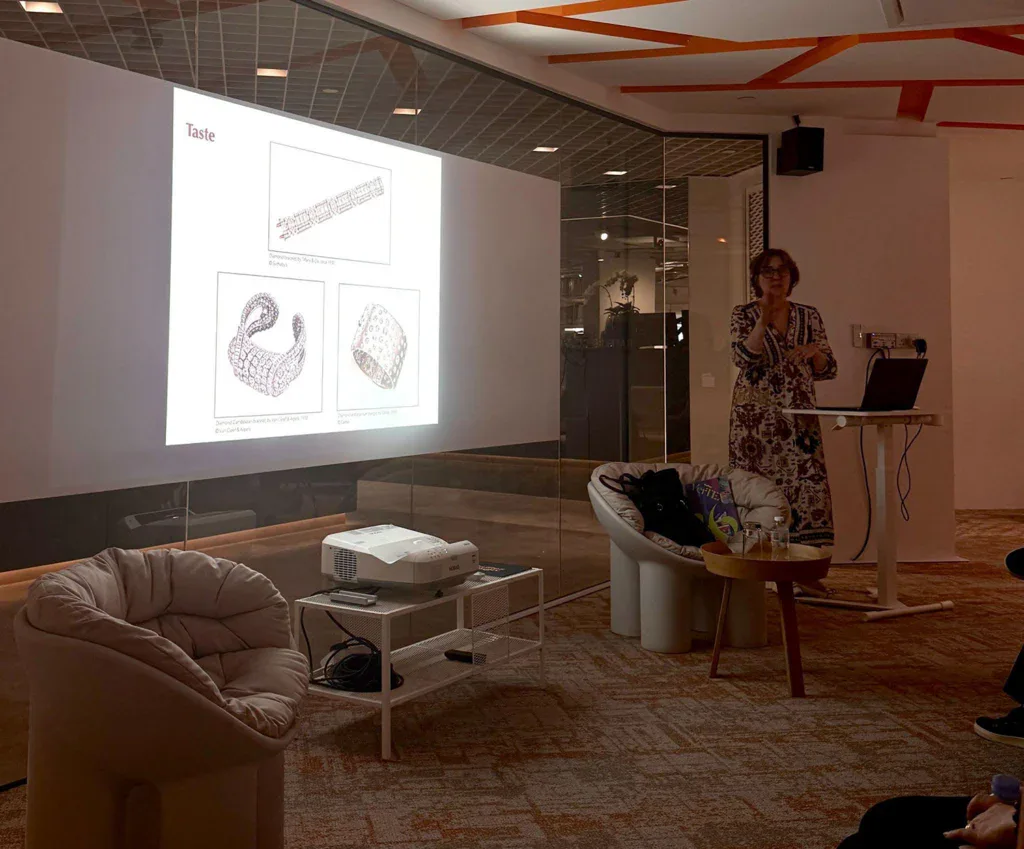
Perhaps the most personal reason, taste is the most subjective factor of the four. Every one of us develops a particular concoction of preferences, instincts, and experiences that shapes our view of what we find beautiful.
“Not everyone has the same taste, thank God.”
– Vanessa Cron
Our personal tastes can complement, overlap, or even clash with one another, but that is precisely what makes taste an expression of individuality. For jewellery, a piece does not have to be universally admired to be meaningful. Its appeal lies simply in the fact that only you see something in it that others might not. What one might find quirky another would discover a curiously captivating treasure. During dreamy conversations over tea with our clients, we often say,
You don’t choose the stone, the stone chooses you.
Taste evolves over time with age, experience, and exposure, and Vanessa shares that it is a skill that can be educated or acquired through knowledge. Take sapphires for example: while the layman might immediately recognise the allure of a classic, deep-blue stone, someone more savvy would innately spot the differences between a Kashmir and ceylon Sapphire. Knowing which sapphire is more prized can certainly influence our choice. Now, if factors such as price and origin were withheld, would we still choose the stone that commands the higher price? Would our eyes instead draw us to the stone that speaks to our soul? This clearly manifests within jewellery trends – a luxury piece becomes highly desirable because everybody’s talking about it, but once the next big thing arrives, that same hype dissipates. They say that imitation is a form of flattery, and however true that may be, it does not necessarily create genuine appreciation. True taste develops beyond bandwagons and instead from an understanding of what resonates with us. Her advice is simple: buy what you like. The market fluctuates, trends come and go, but the personal value of owning a piece you truly love depends solely on you.
“Sometimes, beautiful jewellery is reason enough to buy it.”
– Vanessa Cron
Status
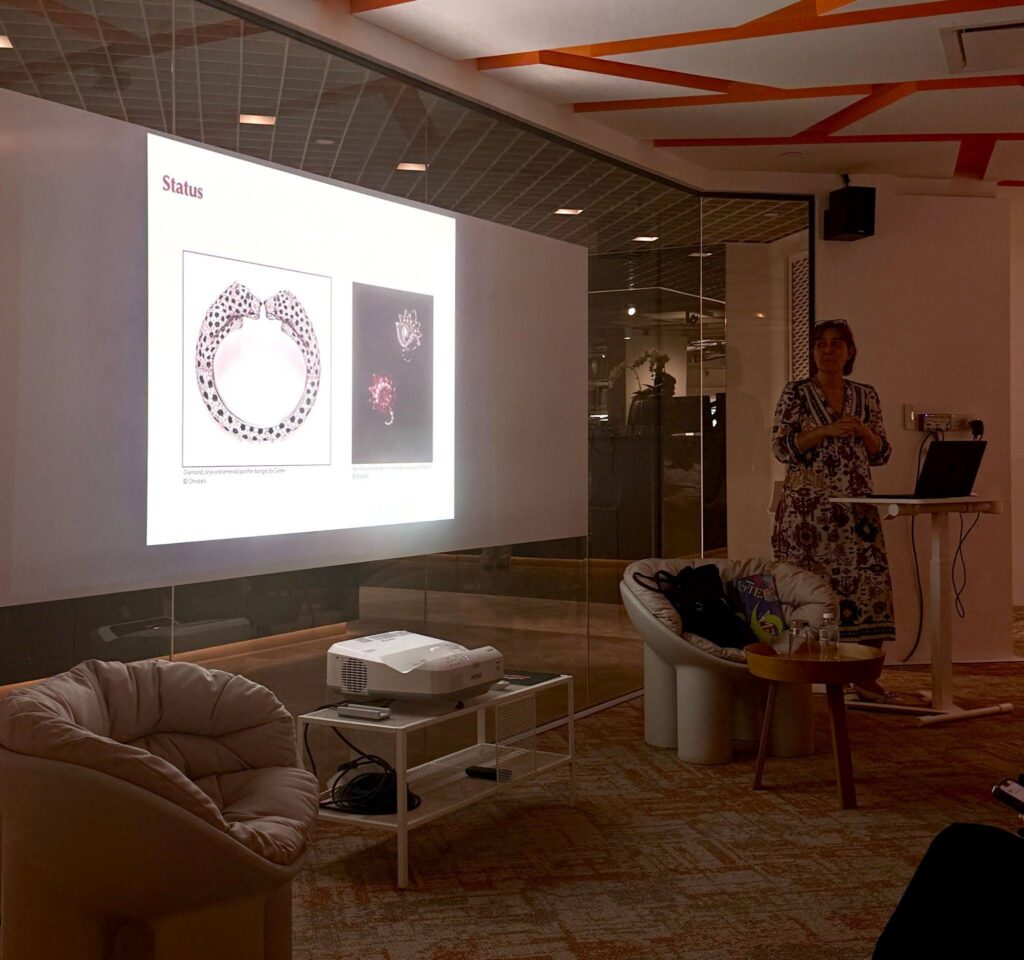
Vanessa explained that jewellery can either be inclusive or exclusive: certain pieces function as tangible wealth indicators and social standing, especially those associated with luxury houses with long heritage or celebrities and high-net-worth individuals. To outsiders, these pieces represent more than their material value and symbolise a world that people may aspire to enter – why else does the world of fakes and replicas persist so pertinently? Vanessa stresses that beyond liking the appearance of a piece of jewellery, there is often the desire to participate in or be recognised as part of the social group that piece is associated with. In this sense, jewellery becomes a form of social signalling to communicate these wants without having to say a single word.
Exclusivity, on the other hand, operates in a much quieter form. Vanessa pointed out that those who already move within these affluent circles might gravitate instead towards brands and pieces that are deliberately unassuming and fly under the radar of the wider public. Their value lies in the fact that recognition is limited to those already familiar with that sphere. This creates another layer of distinction: while conspicuous luxury can signal status,
Quiet luxury is only obvious to those who are in the know.
Jewellery therefore exists along a spectrum of inclusion and exclusion, from pieces that help someone feel closer to a desired social standing, to pieces that quietly distinguish one circle from everyone else outside it.
How the tables have turned
As designers, it is easy to get caught up in our imagination, constantly exercising our creative instincts until we forget that we are collectors at heart. Vanessa’s analysis gives us a gentle reminder of who we are at our core.
Through this portion of her lecture, we find ourselves sitting in our clients’ chair wondering: What occasions do I wish to commemorate or am I simply designing one just because I like it? Why do we choose one particular shade of pink and not another? What can I create today that can be passed on to and cherished by my children? The ideas that Vanessa raises give us much room for thought when we pore over our gleaming trays, encouraging us to look beyond the beauty of a piece and consider the stories, sentiments, and intentions we choose to give it.
Collectors by nature, designers by calling
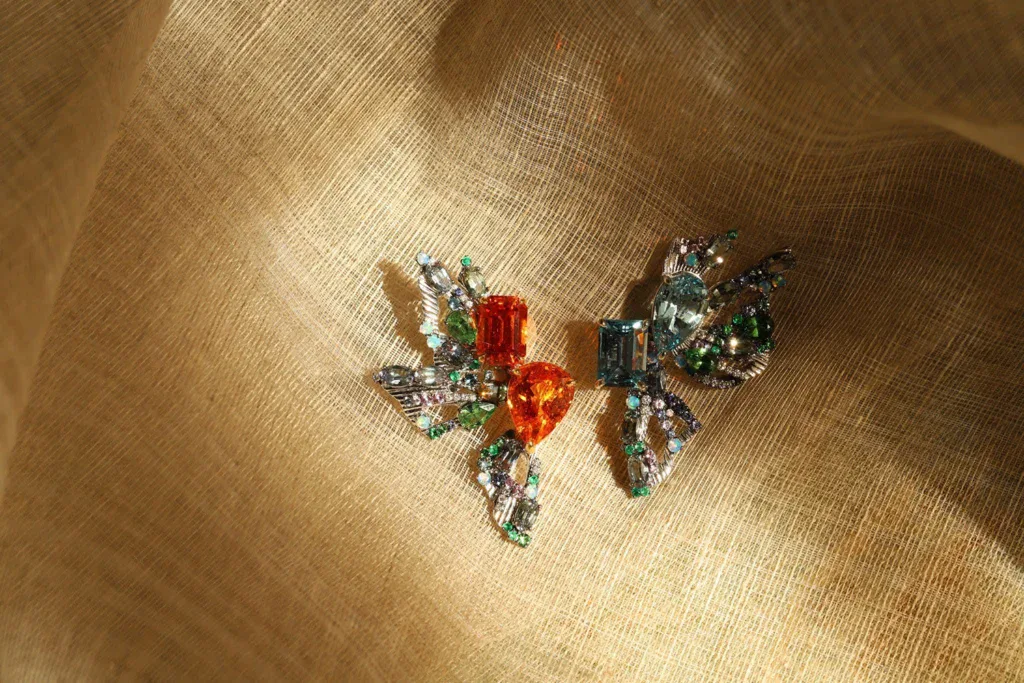
Mandarin garnets and aquamarine gems stud butterfly wings frozen in time – a bespoke creation by Calla Lily.
Afterall, the most meaningful jewels are not simply the ones we choose, but the ones we choose to keep.
Stay tuned for our concluding edition where we delve deeper into the world of collectors, how a single idea can transform a stone into something far greater than jewellery.