Why Capital Alone Doesn’t Guarantee Better Jewellery Decisions
In high-value jewellery purchasing, there is often an unspoken assumption that budget naturally leads to better outcomes.
In practice, the relationship is far less direct.
When financial constraints are removed, selection behaviour tends to shift. Decisions become less about refinement and proportion, and more about accumulation: larger stones, higher colour grades, more visible design features, more complexity overall. The result is not necessarily stronger jewellery, only more expensive versions of familiar decision patterns.
At Calla Lily Fine Jewellers, this pattern appears consistently among clients operating at a high financial level in Singapore: individuals who are highly strategic in business or investment contexts, but approaching jewellery through a logic that doesn’t fully translate.
Jewellery does not behave like a financial asset class. Even when it carries value retention potential, its primary experience is physical and visual. It is read on the body, not on a spreadsheet.
Over-prioritising rarity as a default marker of quality
One of the most common jewellery buying mistakes among high-net-worth clients is equating rarity with suitability.
Flawless diamonds, unusual cuts, extreme carat weights, or highly saturated coloured gemstones are often pursued as if rarity alone guarantees a superior result.
But rarity is only one dimension of value.
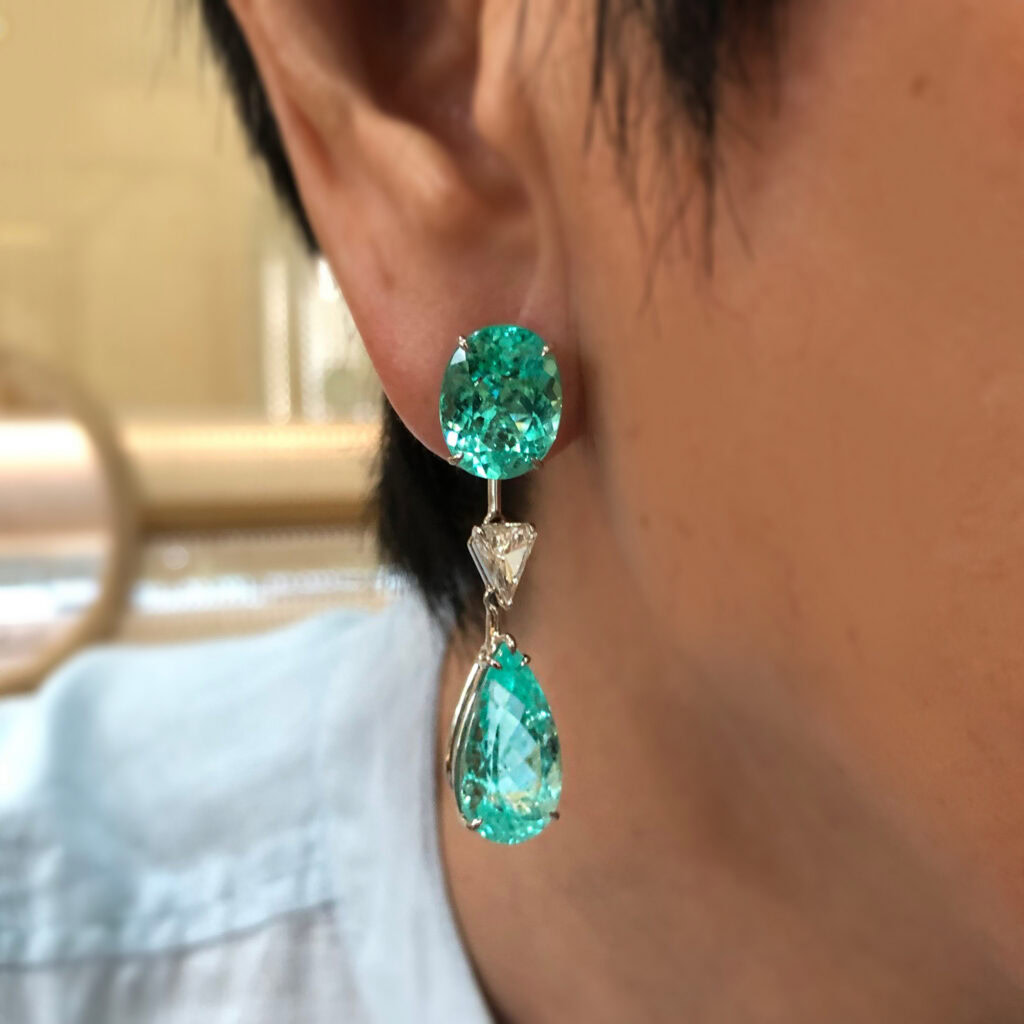
A gem can be exceptional in grading terms and still feel visually unresolved once set. The more unusual the material, the more sensitive the surrounding decisions become, proportion, orientation, setting height, and scale all begin to matter more, not less.
In investment-led thinking, rarity is often treated as the conclusion. In jewellery design, it is only the starting condition.
Over-reliance on certification and documentation
Certification plays an essential role in gemstone selection. It provides structure, comparability, and baseline confidence.
However, when it becomes the primary decision tool, it can distort perception.

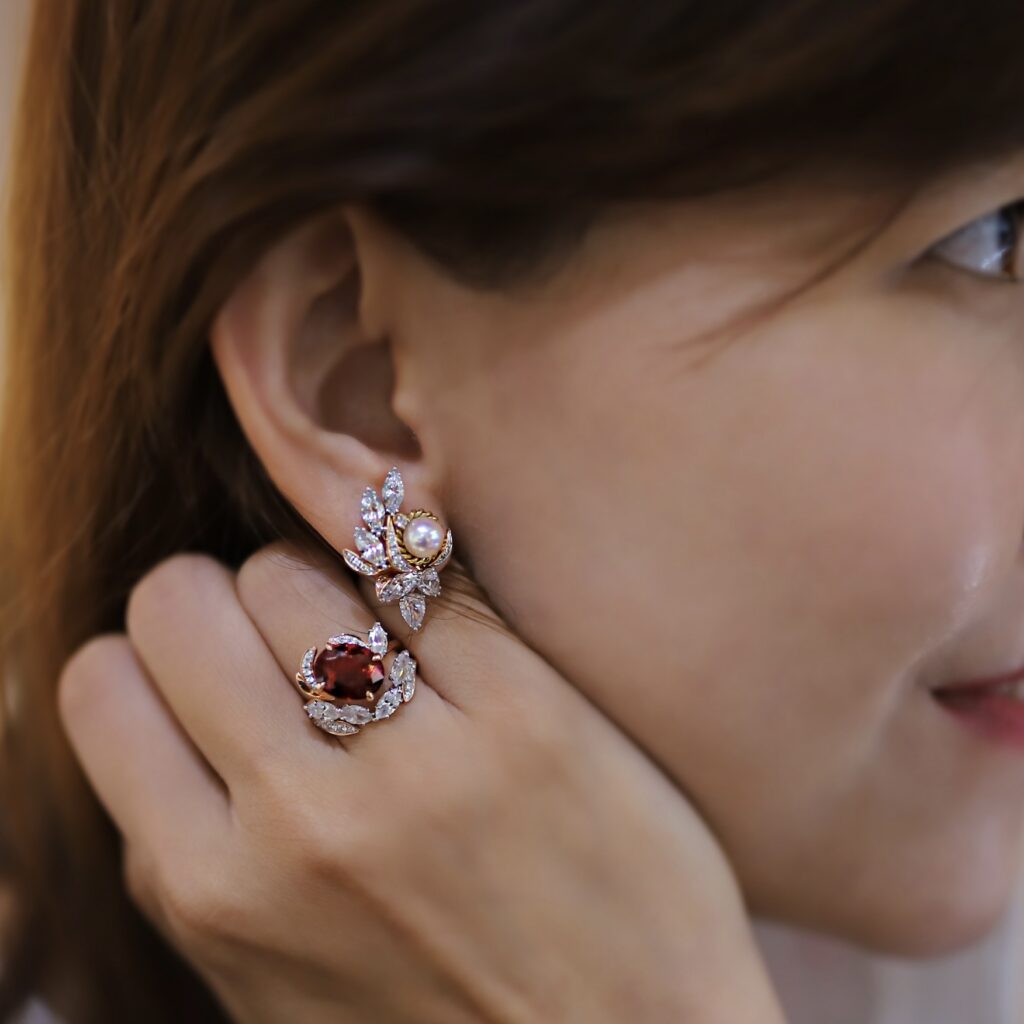
Two diamonds with identical grading can perform very differently once mounted. Light return, finger proportion, setting design, and viewing angle all influence how a piece is experienced in real life.
A recurring pattern among high-net-worth buyers is optimisation for paper specifications, followed by surprise when the physical result does not match the expected visual presence.
Jewellery is ultimately not evaluated through documentation. It is experienced through light, movement, and proportion.
Confusing investment logic with design logic
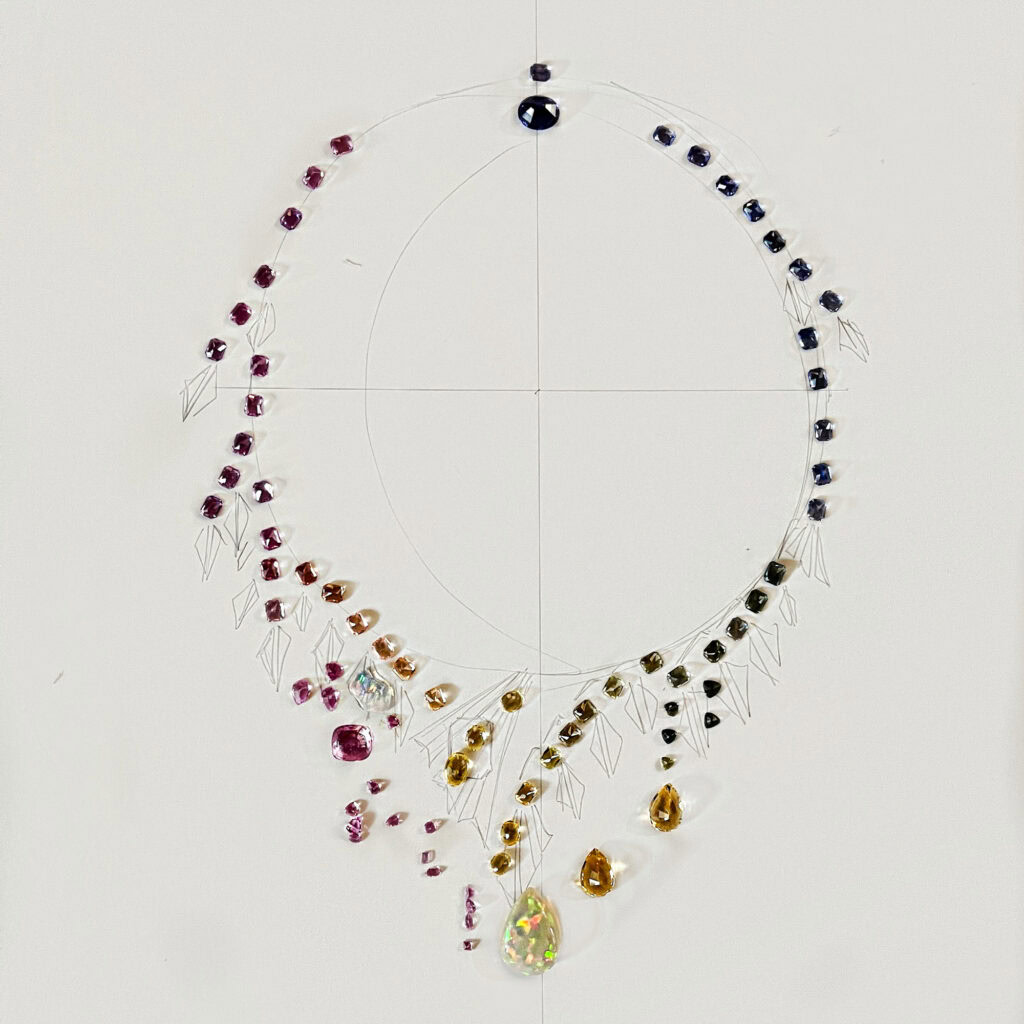
In investment environments, efficiency and recognisability are often rewarded. This logic can carry over into jewellery purchasing.
It often results in preference for:
• standardised shapes
• widely recognised silhouettes
• conservative settings
• “safe” proportions
The assumption is that recognisability protects long-term value.
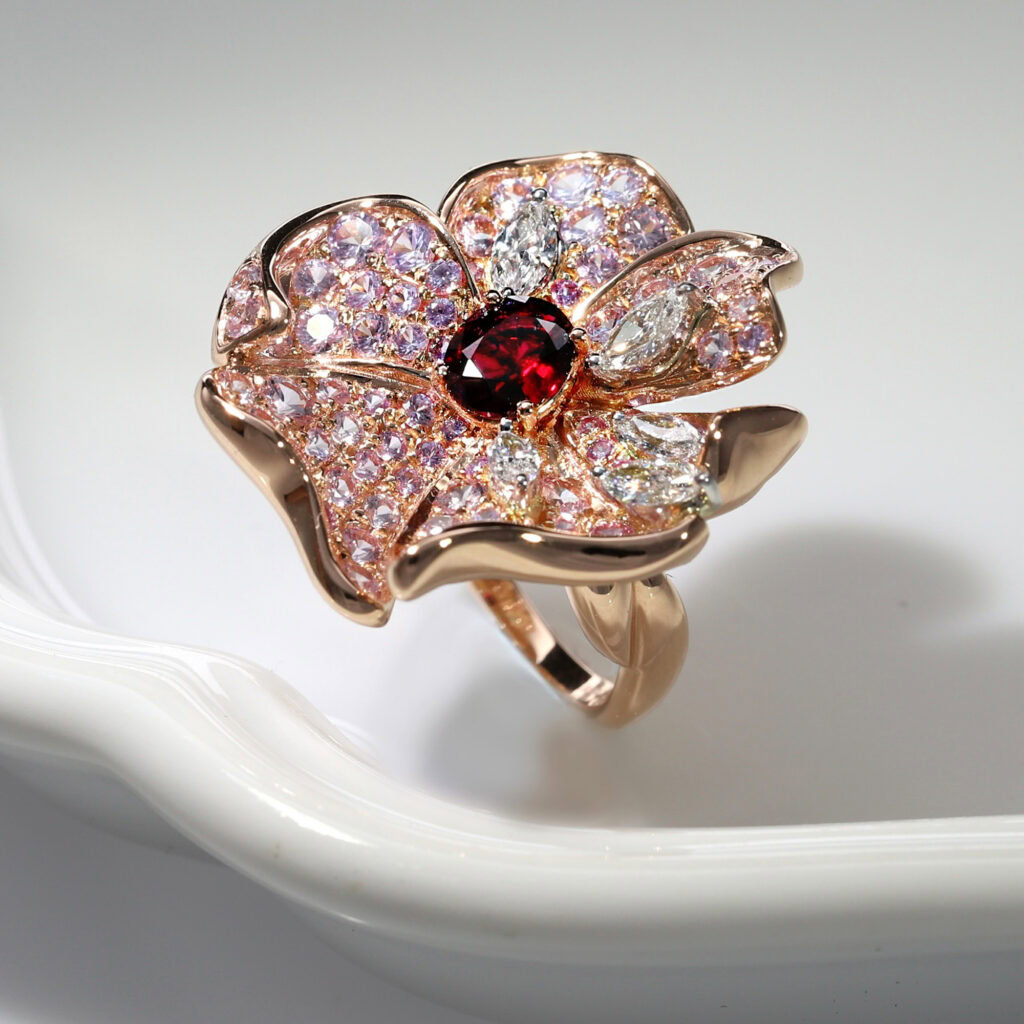
But in jewellery, this can have an unintended effect. Over-standardisation removes distinctiveness, which is often what gives high-value pieces their lasting visual relevance.
There is a meaningful difference between liquidity and resonance.
One is market-driven. The other is perceptual.
Misjudging scale in relation to the body
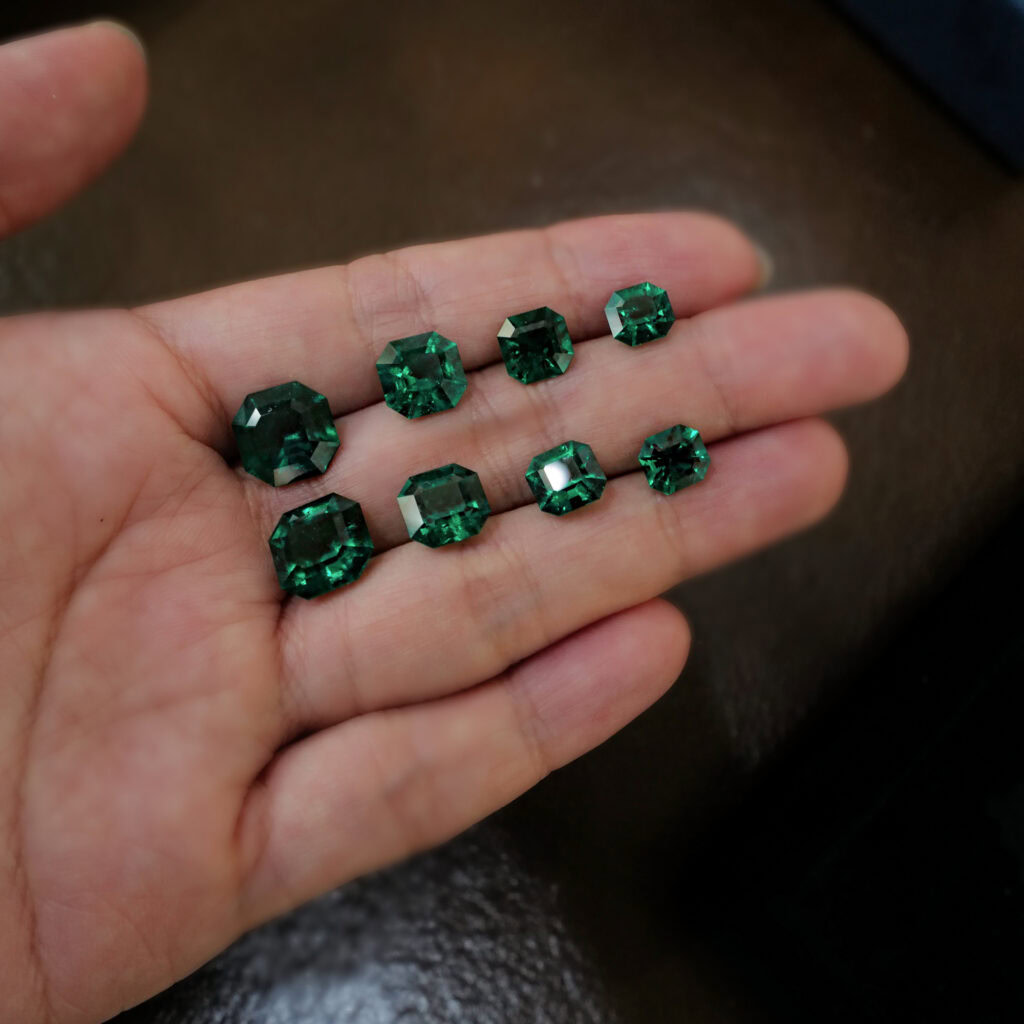
High purchasing power expands access to larger stones and more substantial designs. But scale does not behave neutrally.
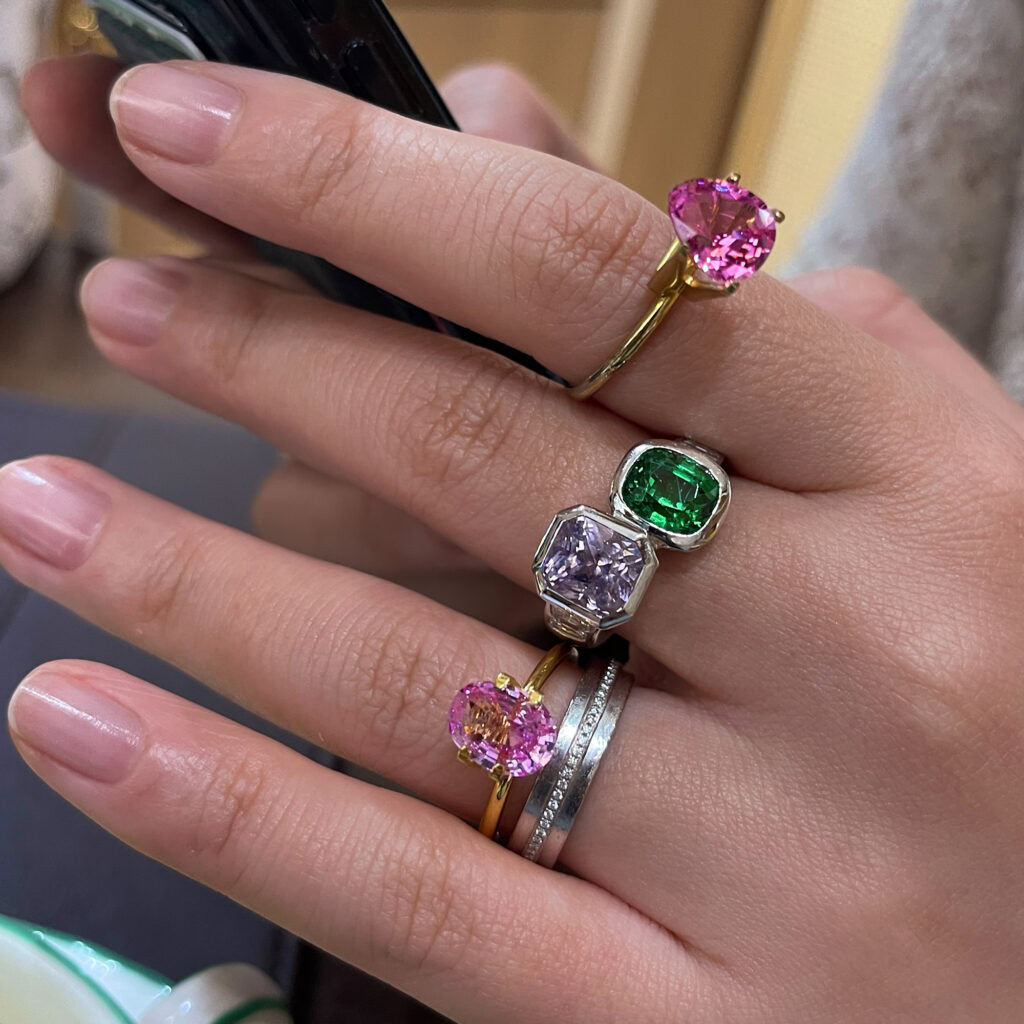
A diamond that feels composed in a showcase can feel visually dominant on the hand. A setting that appears elegant in isolation can become heavy once worn daily.
This is not a question of preference. It is a question of proportion; how size interacts with hand structure, finger length, and movement over time.
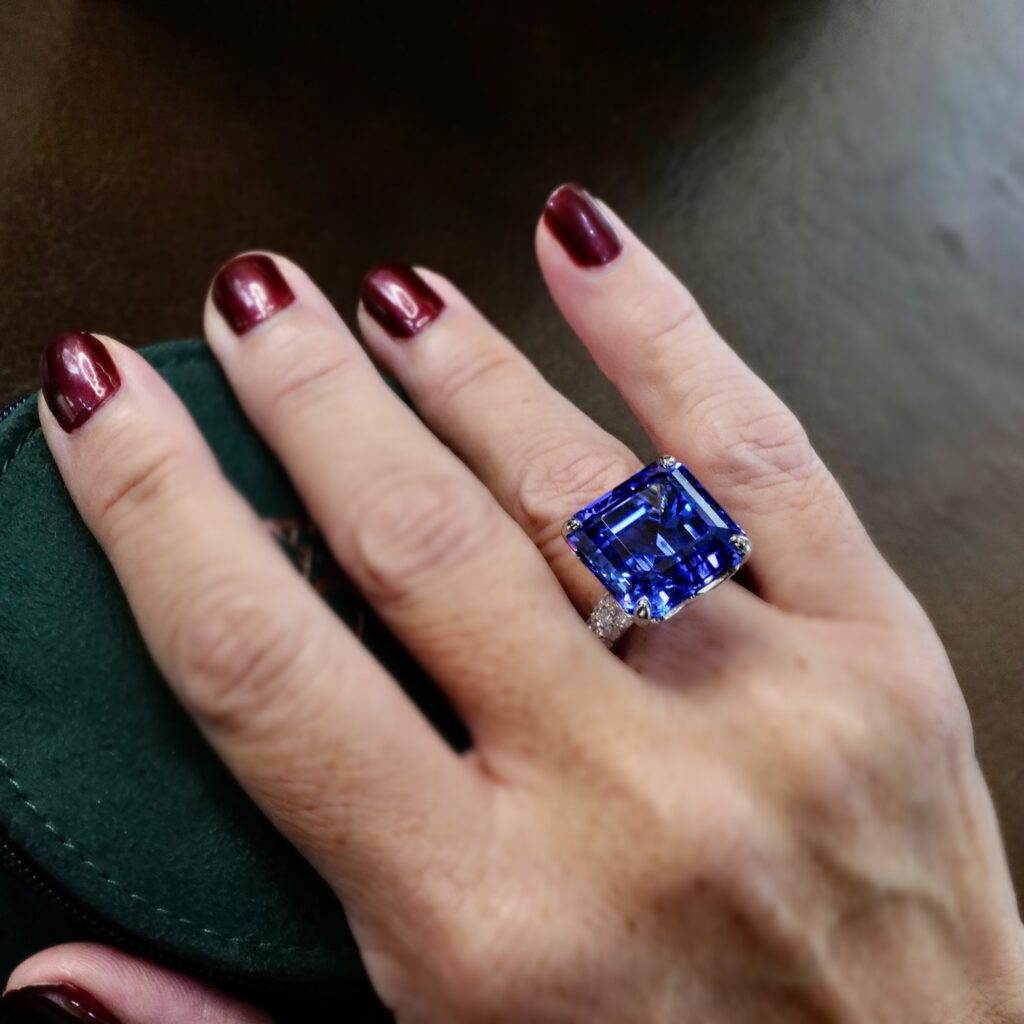
The most successful designs are not necessarily the largest available options. They are the ones that integrate visually without drawing disproportionate attention to themselves.
Overvaluing complexity as a marker of sophistication
In luxury categories, complexity is often mistaken for refinement.
Multi-layered settings, hidden details, pavé-heavy structures, and intricate configurations are frequently perceived as inherently more valuable.
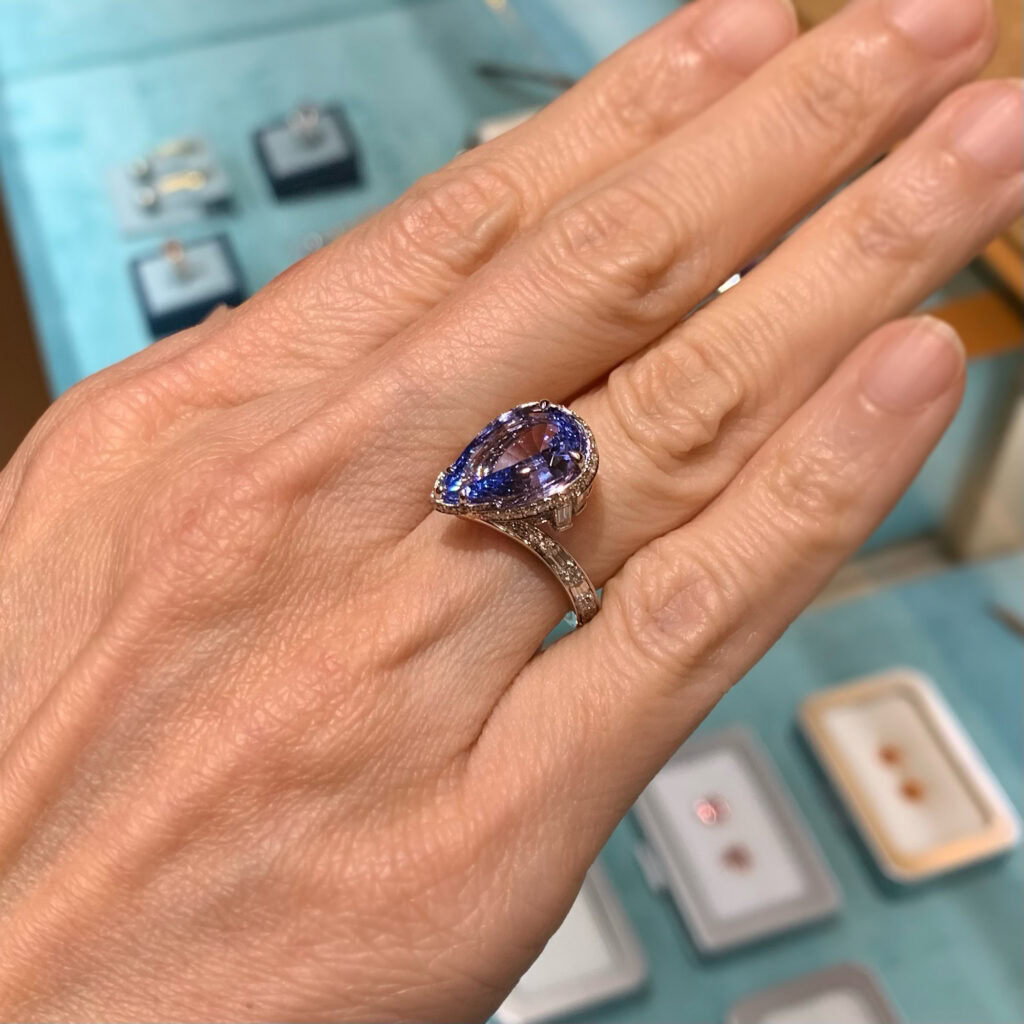
We do love all of these resources, when correctly applied. But complexity is not synonymous with sophistication.
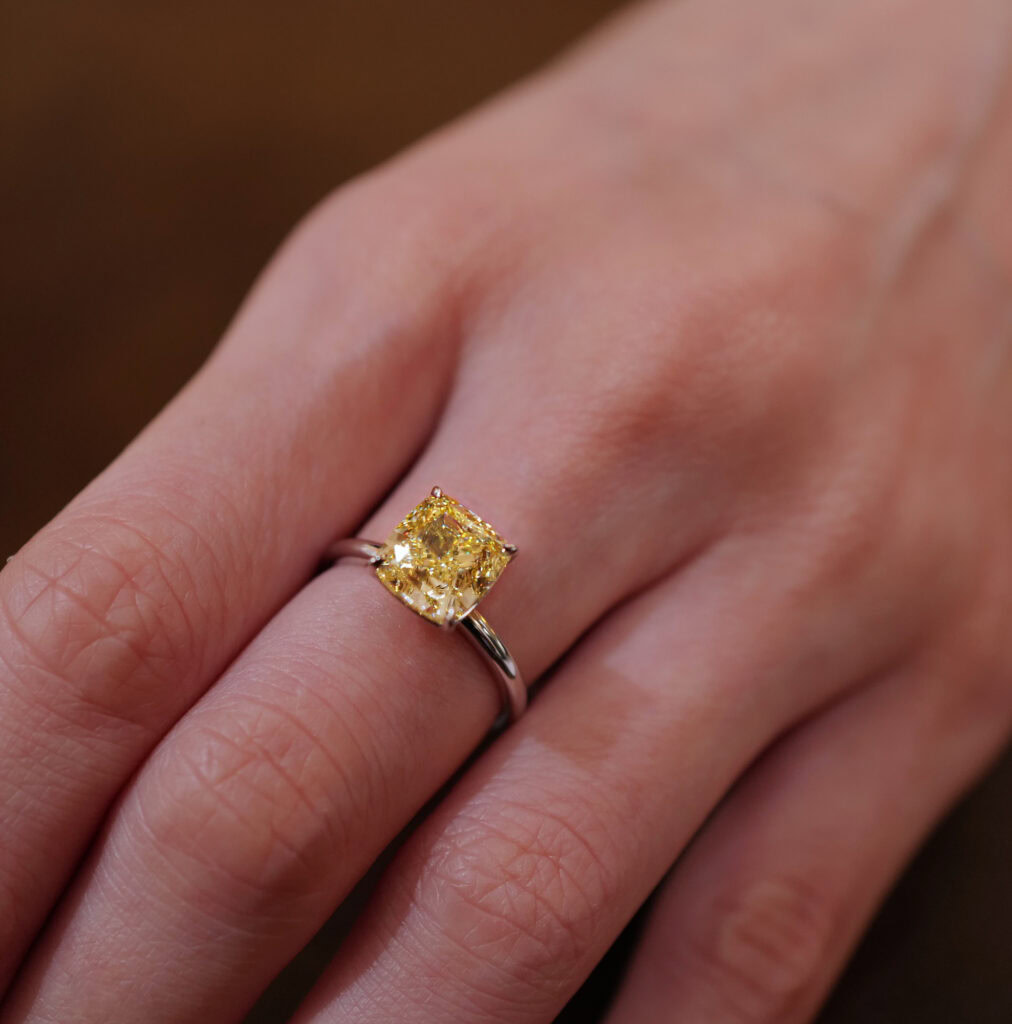
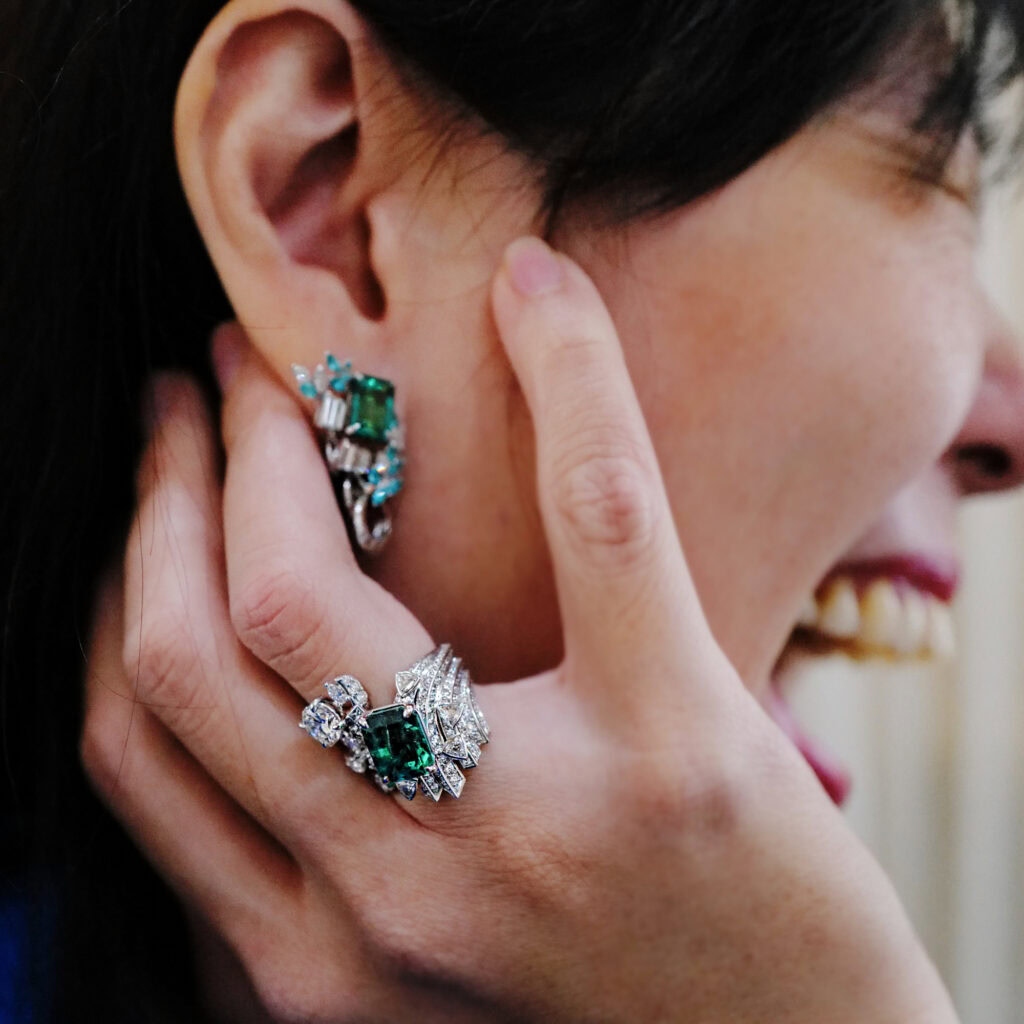
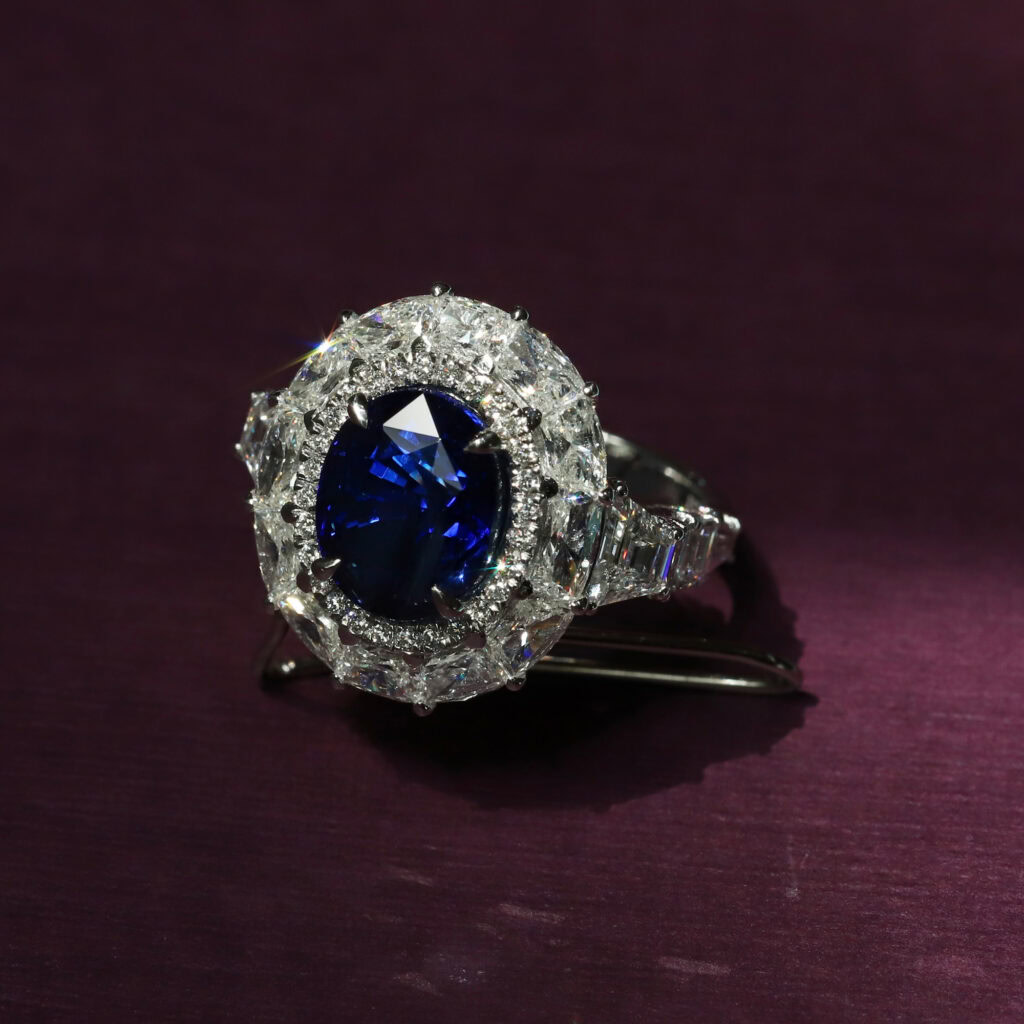
In many cases, clarity of form carries more visual authority. A single well-proportioned stone can create a stronger presence than a technically elaborate setting that lacks cohesion in its overall structure.
This is where design judgement becomes more decisive than budget.
Overlooking titanium as a modern material choice
Another subtle jewellery buying bias among high-net-worth clients is the tendency to operate within a familiar hierarchy of materials: gold as the default, platinum as the more technical alternative, and everything else positioned outside the main decision set.
Within this framework, titanium is often dismissed before it is properly understood.
Unlike traditional precious metals, titanium allows colour to be created within the surface of the material itself. Through a controlled anodisation process, the outer layer is transformed at an oxide level, producing tonal variation that ranges from deep blues to violets and other chromatic shifts. No pigment or coating is applied. The colour is part of the material structure rather than something added onto it.
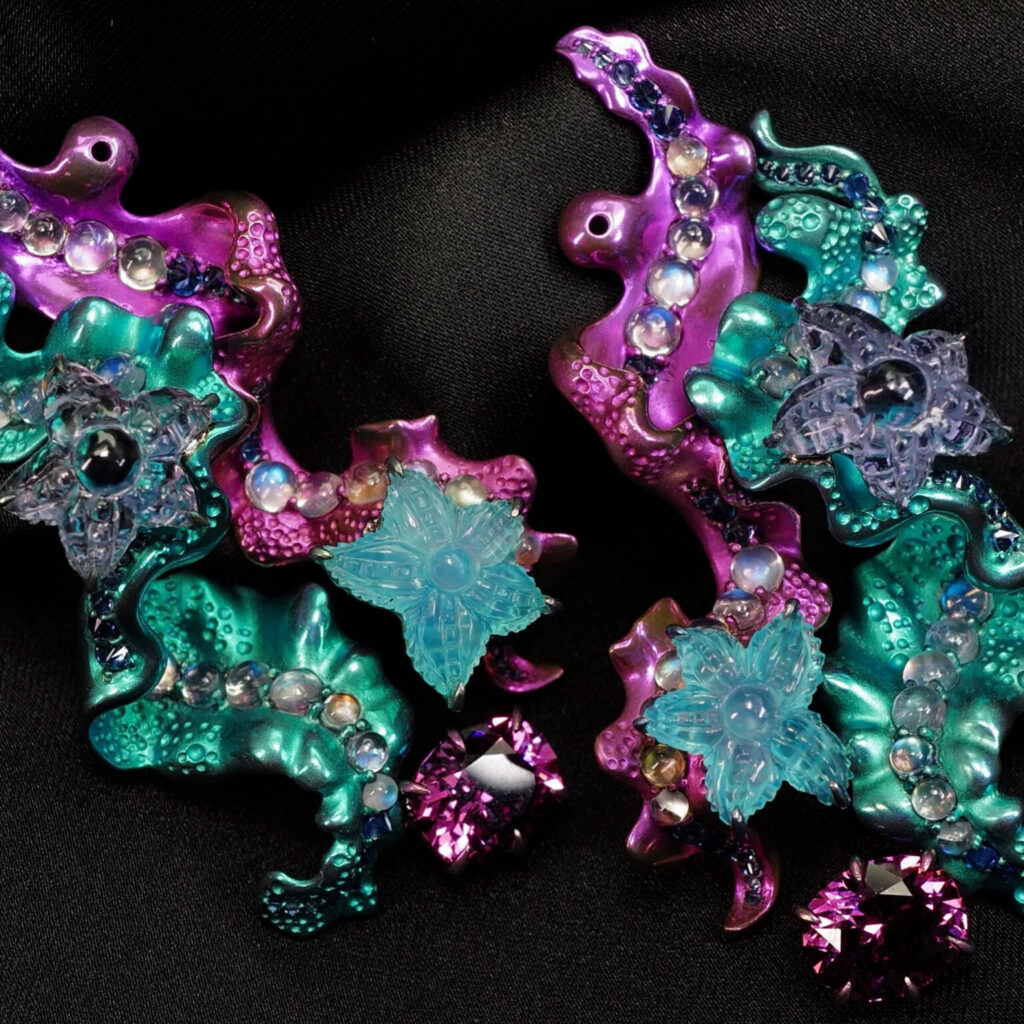
Its strength-to-weight ratio also changes how scale is experienced in jewellery. Larger or more sculptural forms remain unexpectedly light on the body, which opens possibilities in proportion that would be difficult to achieve in gold or platinum alone.
The most common oversight is not rejecting titanium after consideration, but never considering it in the first place.
Material selection is rarely treated as an open design question. Yet in certain cases titanium becomes relevant not as a replacement for traditional metals, but as a structural decision that shifts how weight, colour, and proportion behave when worn.
Why these patterns persist in high-net-worth purchasing
These jewellery buying mistakes are not rooted in lack of intelligence or taste.
They emerge from context:
• strong familiarity with investment frameworks
• experience in markets where price signals quality
• reliance on measurable indicators in other asset classes
• limited exposure to jewellery as a physical, wearable design discipline
Jewellery sits slightly outside this structure. It requires evaluation through proportion, wearability, light behaviour, and long-term visual satisfaction, factors that are not fully captured in specification sheets.
Where decision-making shifts
The most meaningful adjustments rarely come from increasing specifications or complexity.
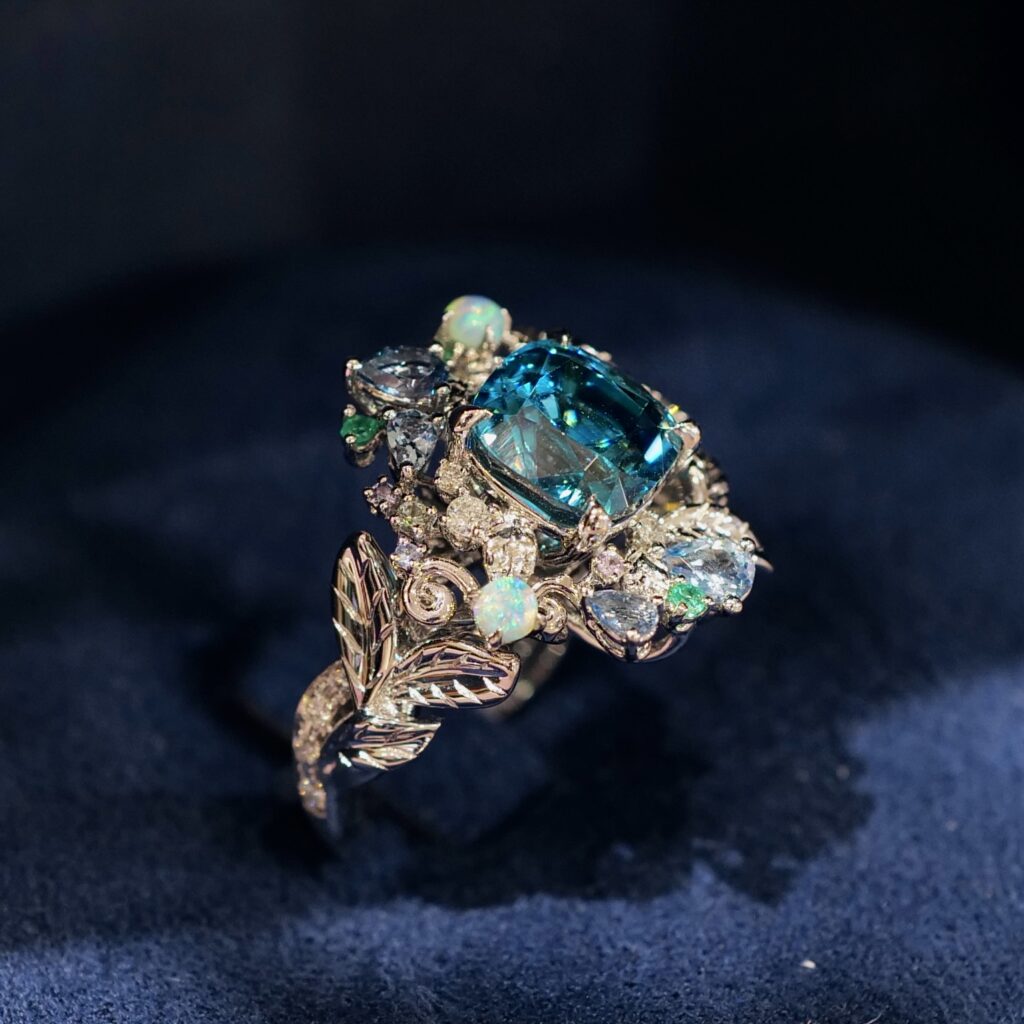
They come from reduction. Even if it means the end result will actually look more intricate:
• refining scale
• simplifying structure
• adjusting proportion against the hand rather than the certificate
• prioritising visual coherence over accumulation
With is, these are often the moments where direction changes, when the focus moves away from acquisition logic and towards how the piece actually performs in real, everyday conditions.
The outcome is not a compromise in value.
It is a correction in clarity.