Why Your “Dream Ring” Might Not Actually Suit You
For many people, the search for an engagement ring begins long before a proposal. Images are saved quietly over years. Certain silhouettes become tied to ideas of romance, identity, status, even adulthood itself.
But there is a difference between admiring a design and living with one every day.
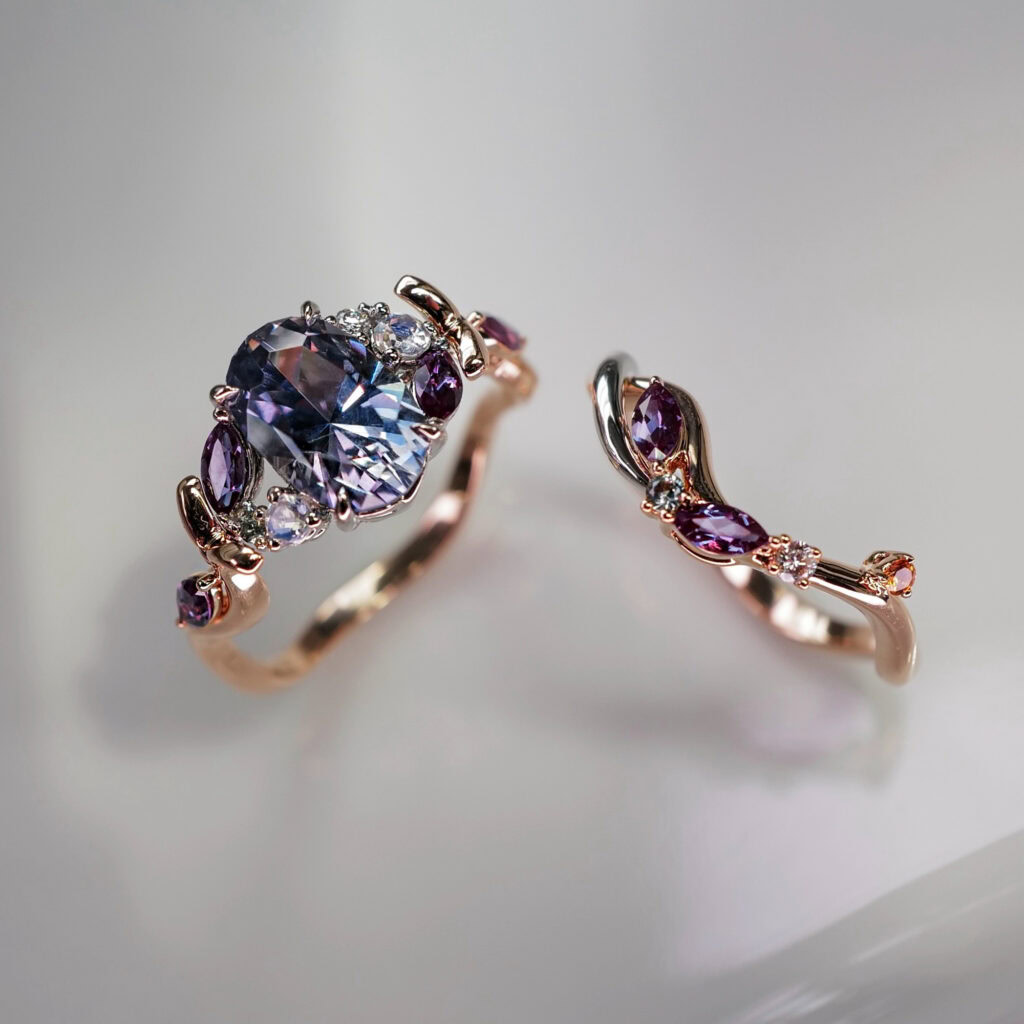
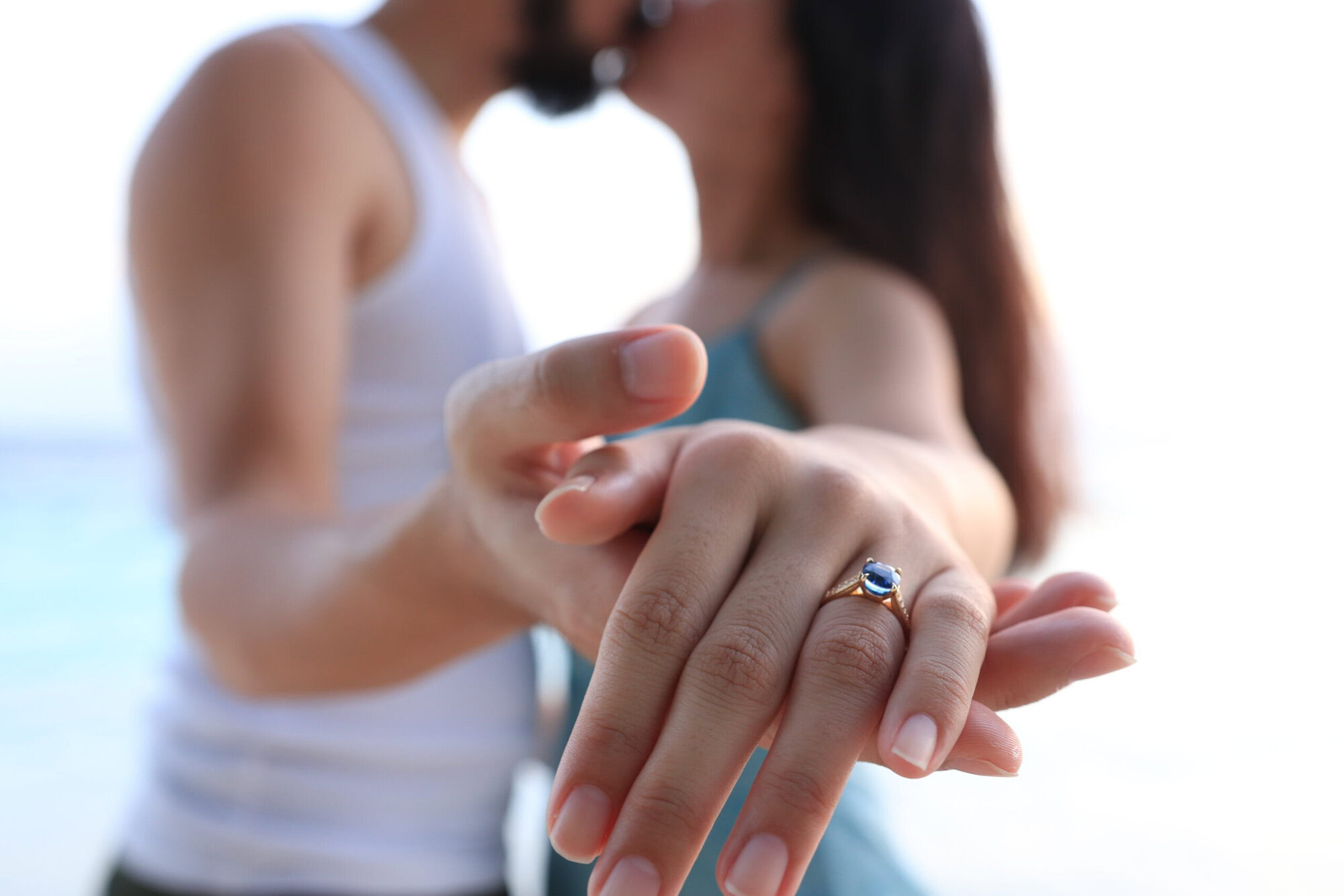
A ring can appear striking in photographs yet feel entirely disconnected once worn regularly. Proportions that look beautiful online may feel overwhelming on the hand. A setting admired for years may not align with the wearer’s lifestyle, wardrobe, or natural sense of balance.
This is often the moment someone realises their “dream ring” was never truly their ring at all.
For us, many bespoke consultations begin precisely here: with clients who arrive convinced they know exactly what they want, only to discover that a completely different direction feels far more natural once explored in person.
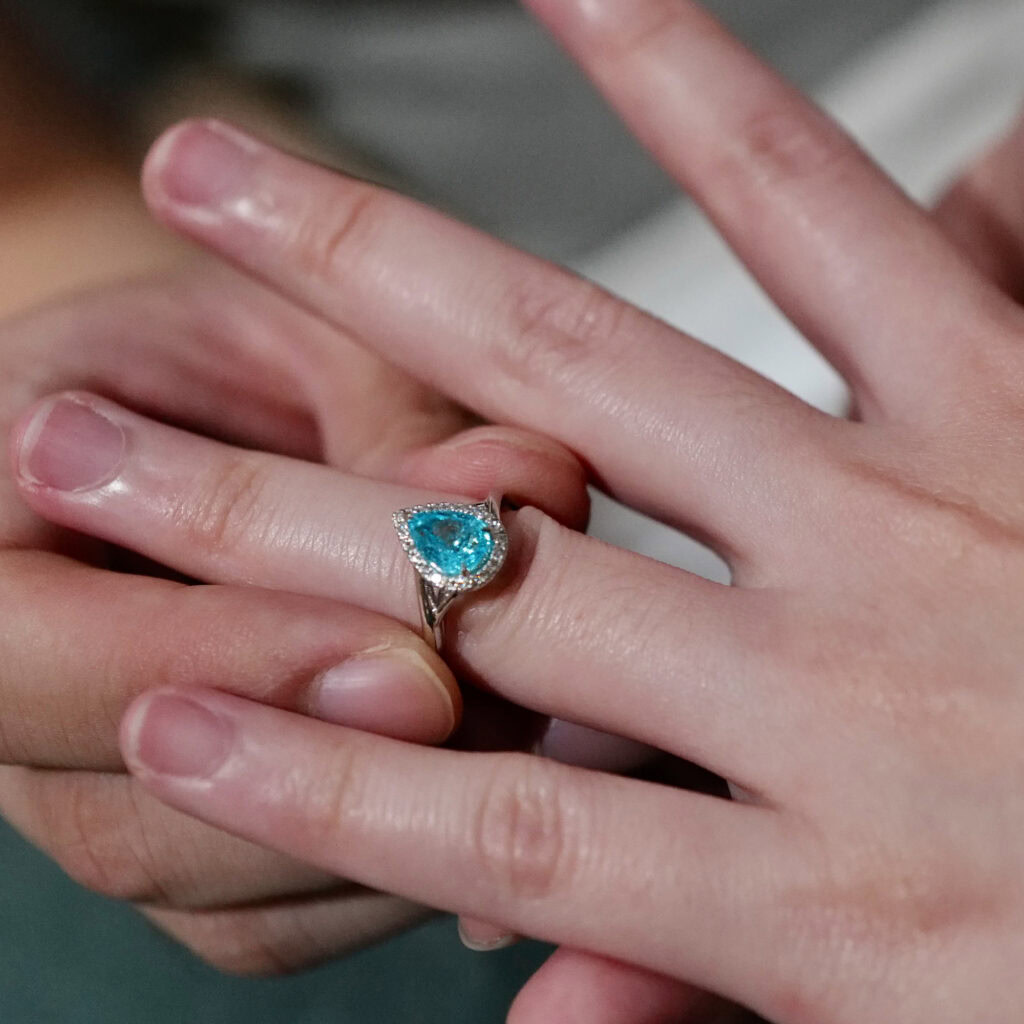
Attraction Is Not the Same as Compatibility
Certain styles dominate visually for a reason. Elongated diamonds, ultra-thin bands, hidden halos, and pavé-heavy settings are designed to create immediate impact, particularly through photography and social media.
Yet jewellery is not experienced as a static image. It is experienced through movement, light, proportion, touch, and repetition over years.
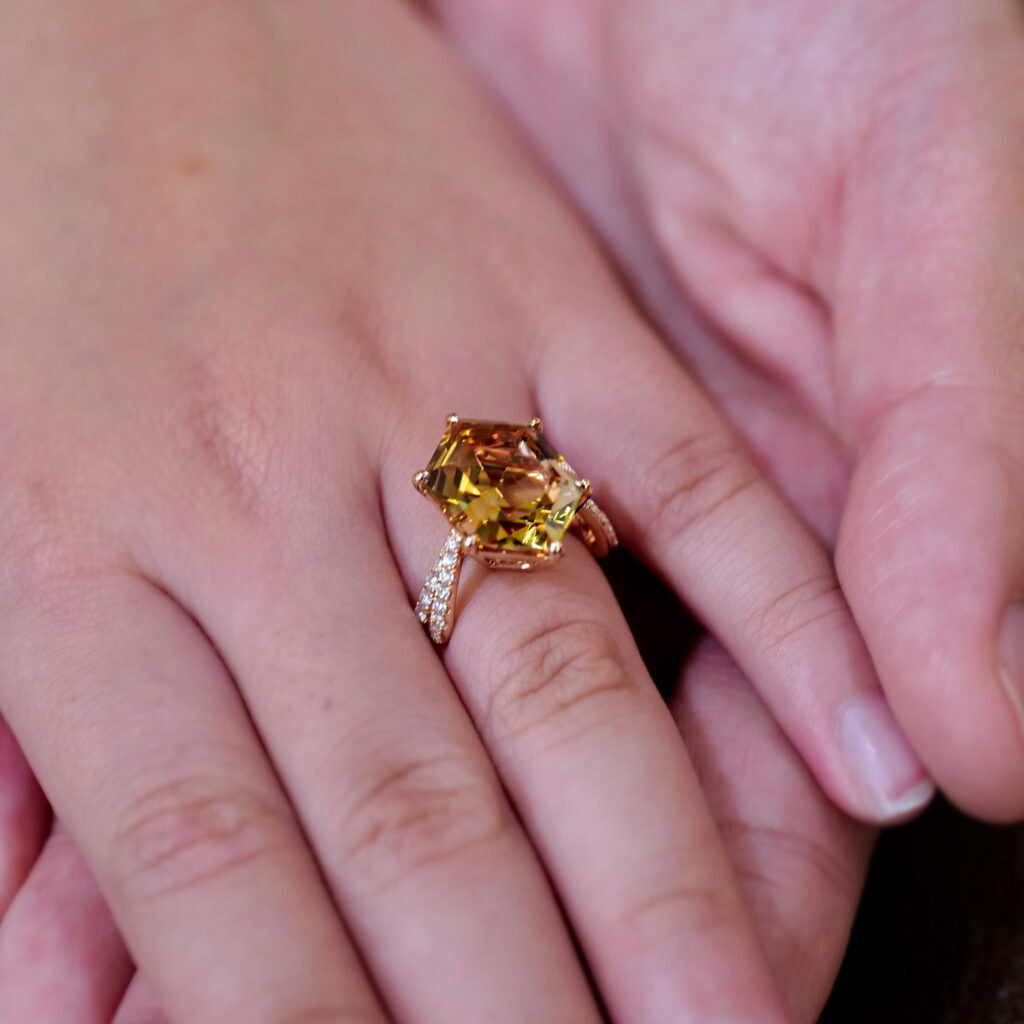
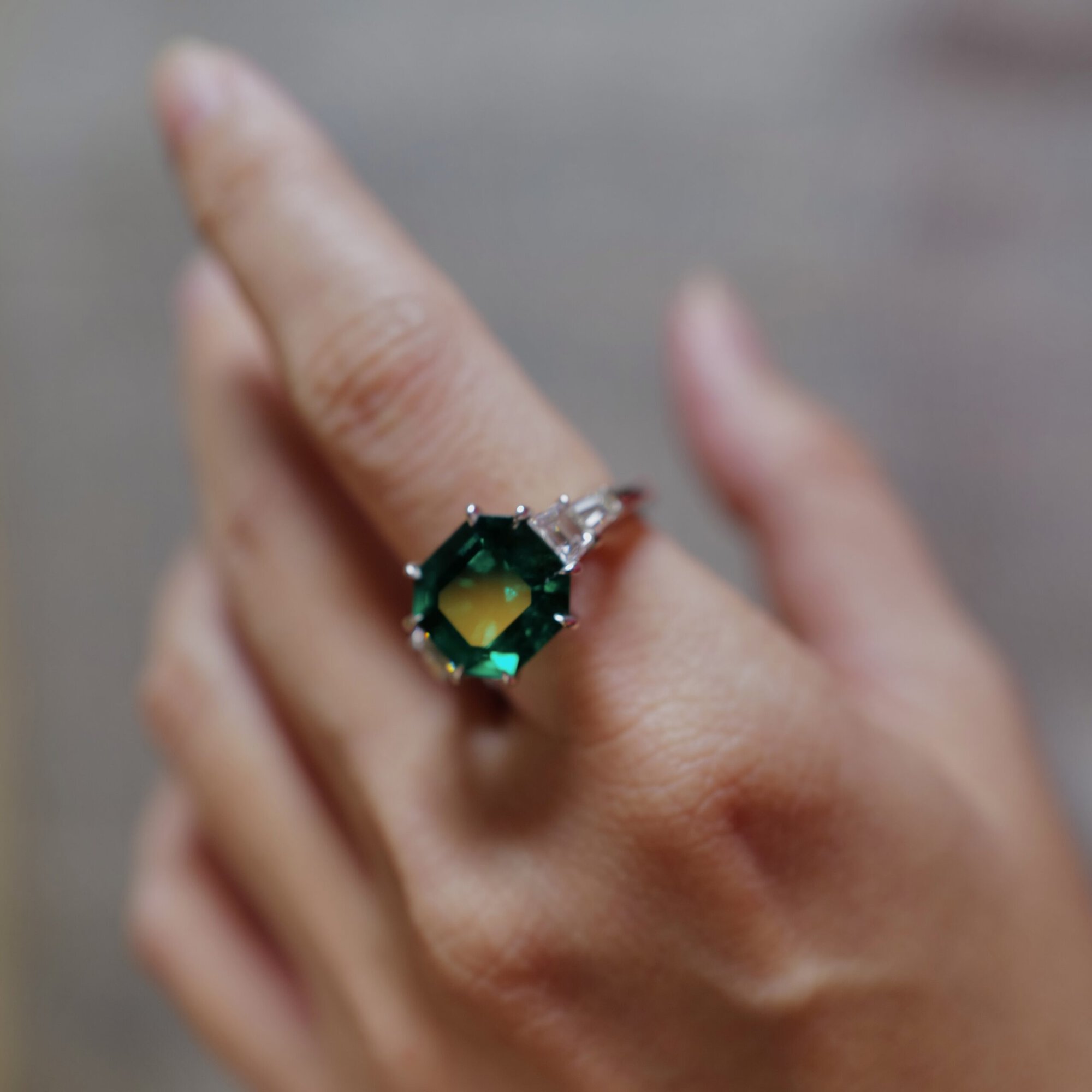
A design may appear perfect online while sitting awkwardly against the hand in reality. Some shapes visually shorten the fingers. Others catch constantly on clothing or feel impractical for daily wear. Certain proportions overpower smaller hands, while minimalist settings can sometimes make significant diamonds feel visually underwhelming once worn.
This does not mean a particular style is wrong. Jewellery is deeply relational. The same piece can look entirely different depending on the wearer.
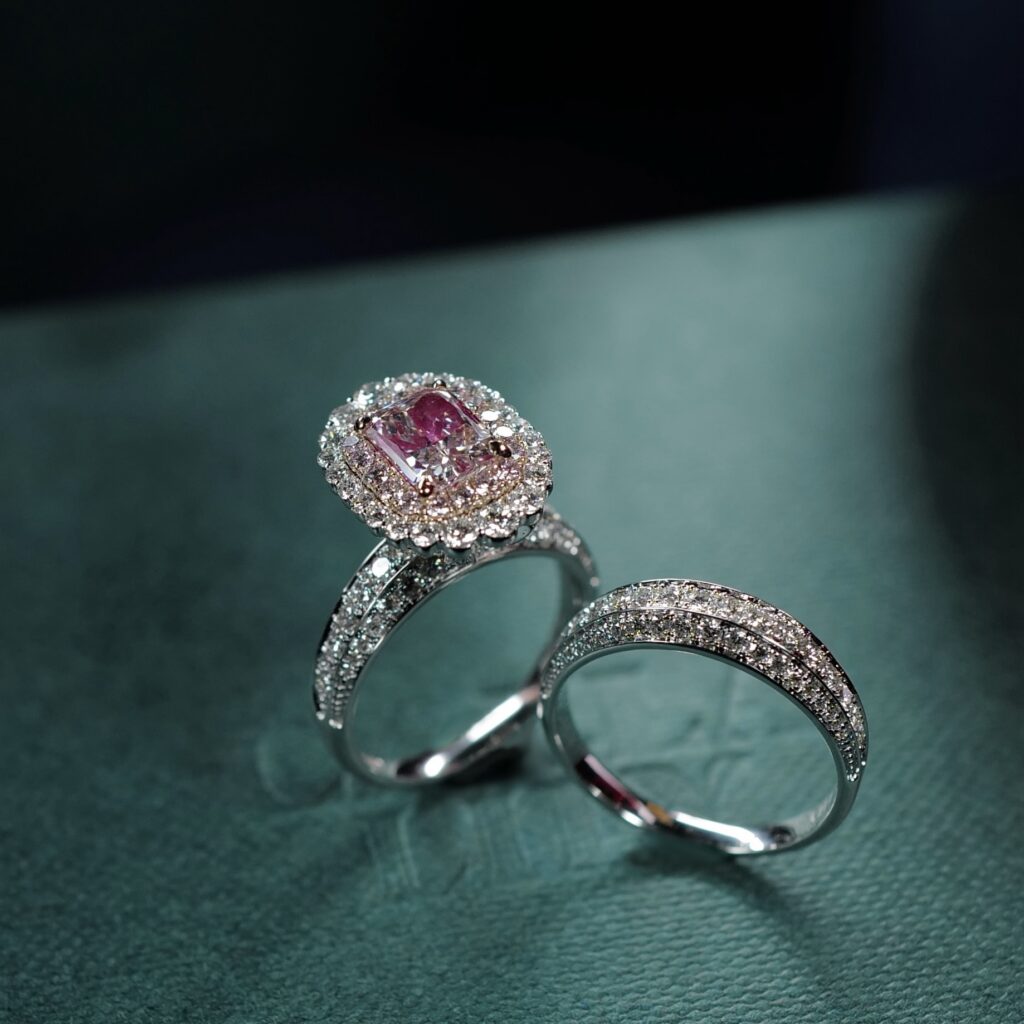
The most compelling engagement rings often possess harmony rather than trend alignment.
Why Proportion Matters More Than Size
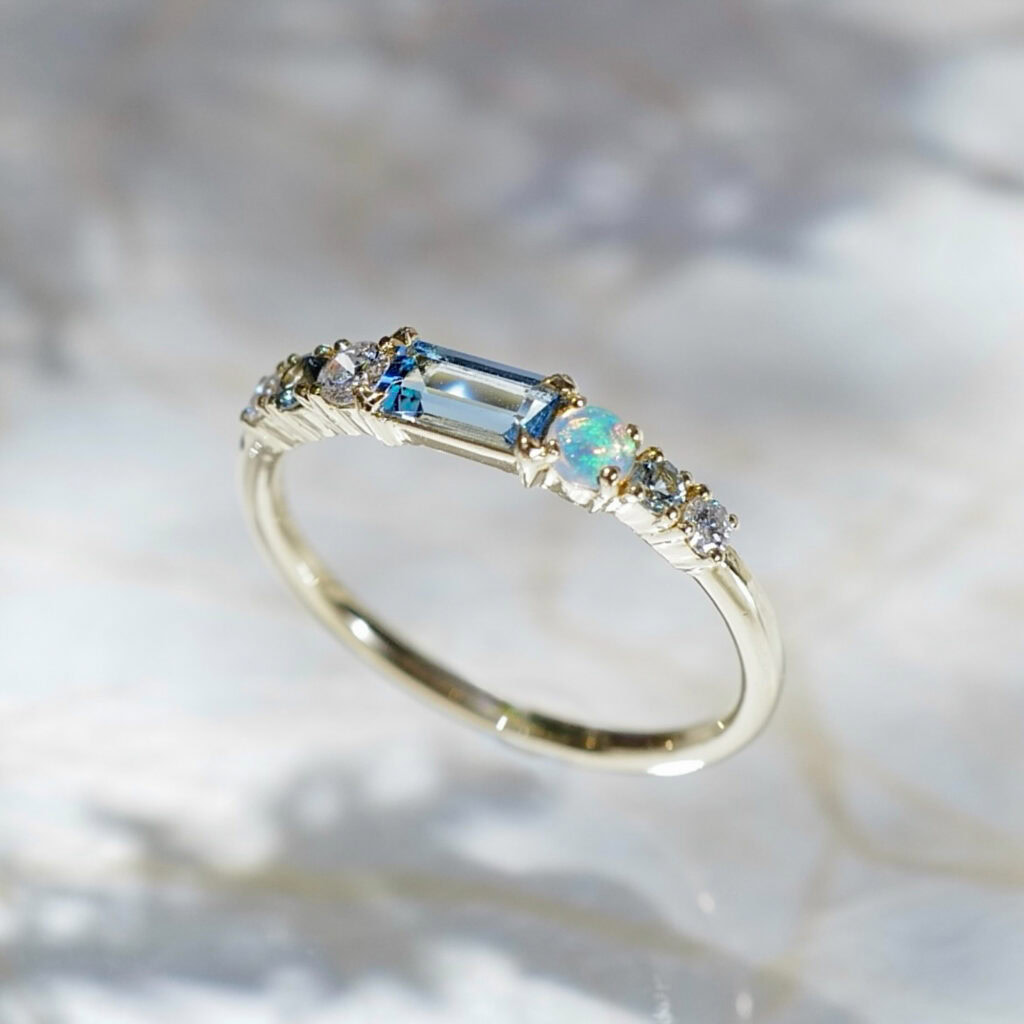
One of the most common misconceptions in fine jewellery is that larger automatically feels more luxurious.
In reality, proportion creates sophistication.
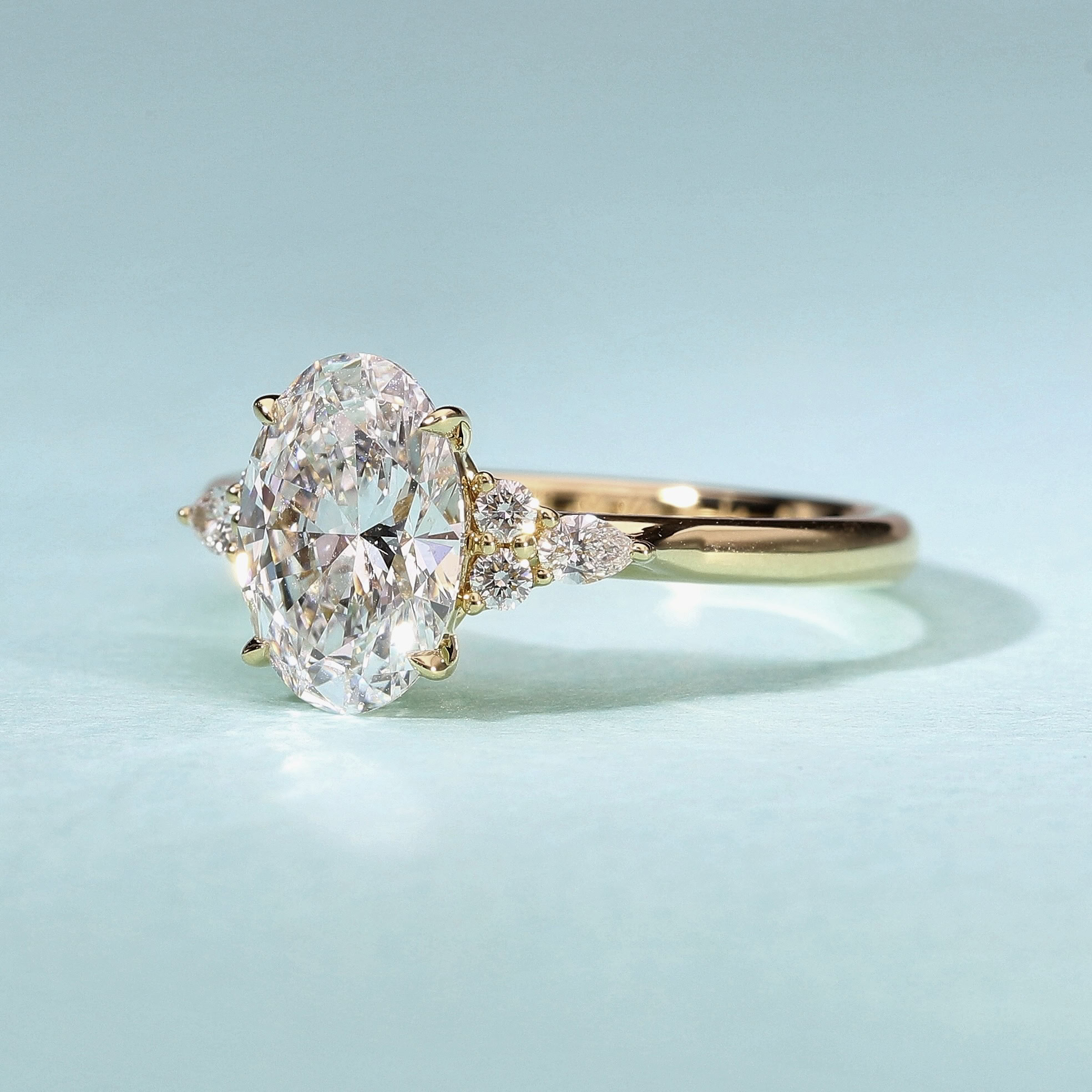
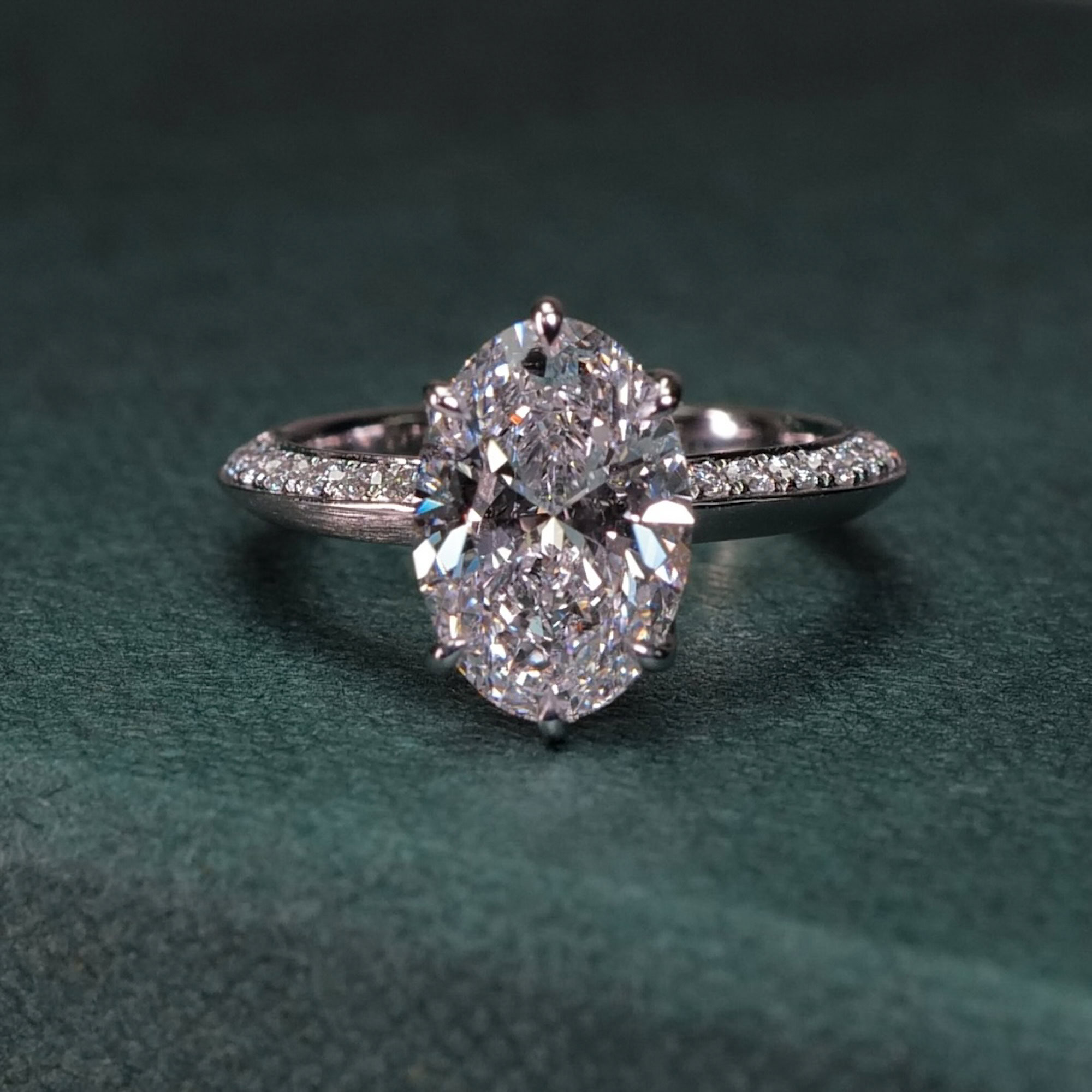
An oval diamond that appears elegant on one hand may feel excessively long on another. A very slim band can make a substantial centre gem feel visually disconnected rather than balanced. Even the height of a setting dramatically changes how naturally a piece integrates into everyday life.
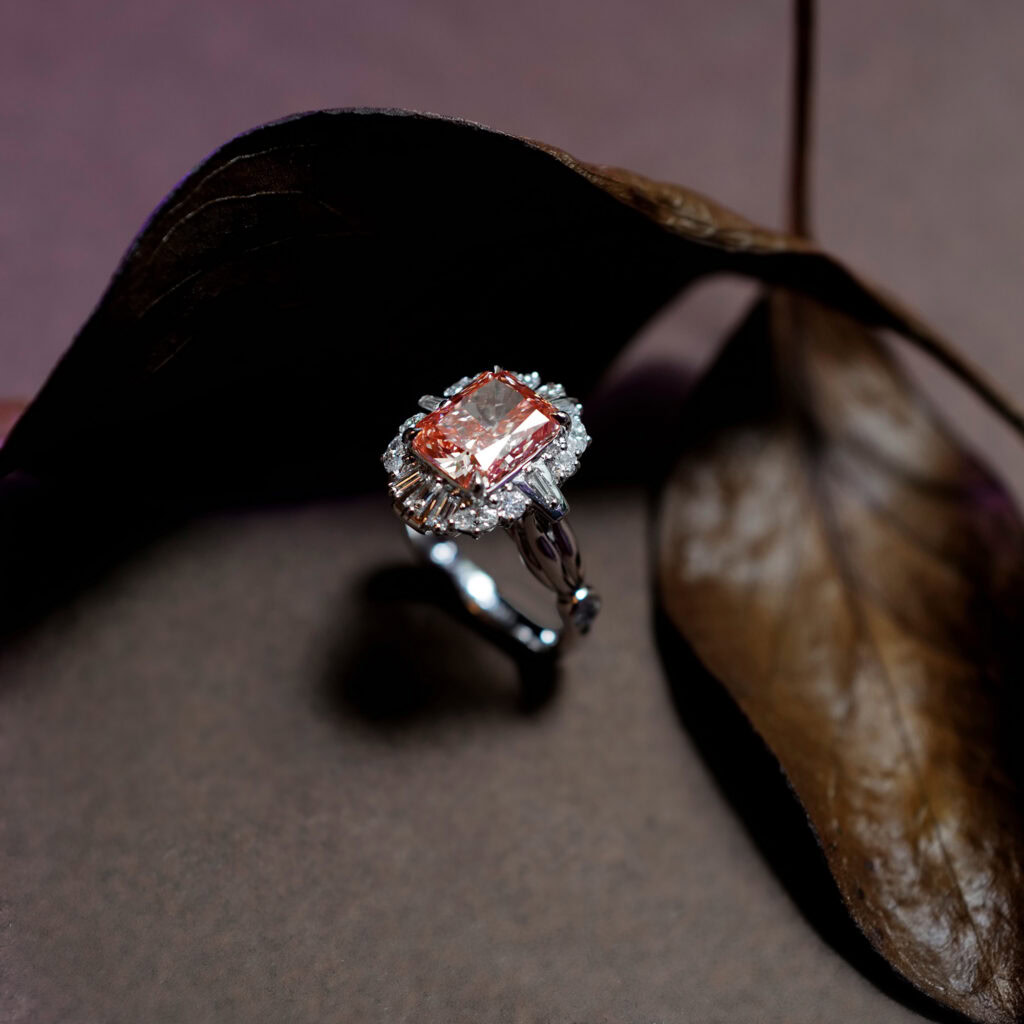
Clients are often surprised by how transformative small refinements can be:
• narrowing or widening a band slightly
• adjusting the orientation of side gems
• lowering a setting closer to the finger
• refining claw proportions
• changing the ratio of an elongated cut
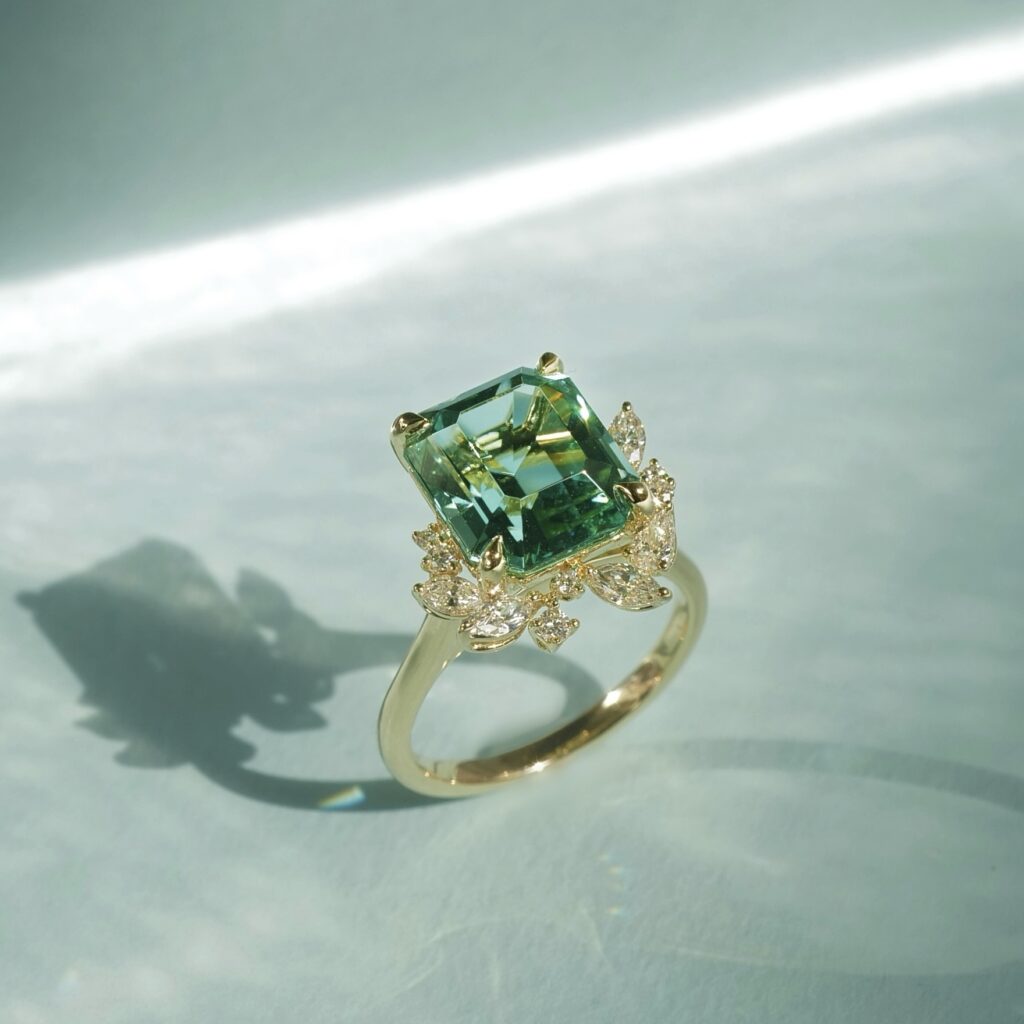
These decisions may appear subtle individually, yet together they determine whether a design feels effortless or visually unresolved.
This is one reason bespoke jewellery remains so valuable. It allows a piece to respond to the wearer rather than forcing the wearer to adapt to it.
Lifestyle Should Shape the Design
An engagement ring should also reflect how someone actually lives.
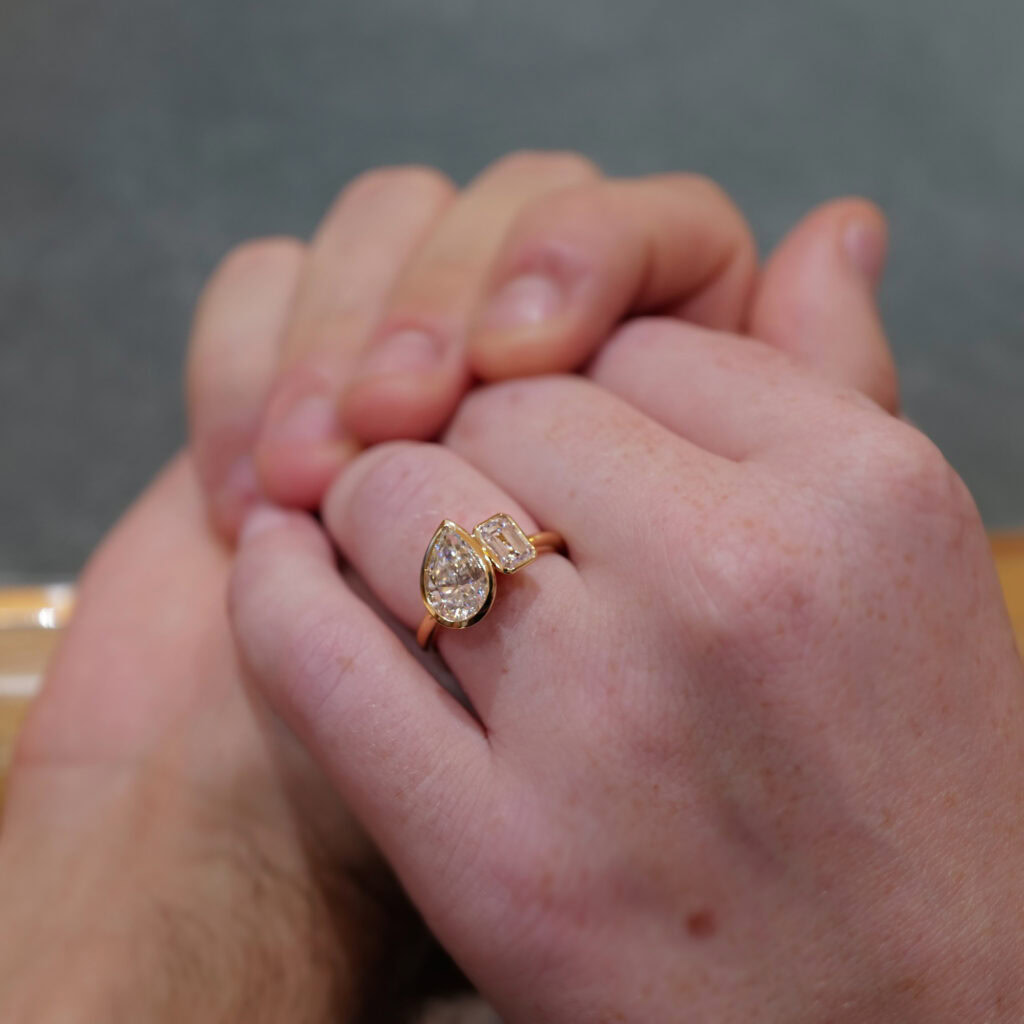
Someone constantly travelling, working with their hands, or leading an active lifestyle may eventually resent a high-set design requiring constant care. Intricate pavé work may not suit a person instinctively drawn to cleaner lines and architectural simplicity elsewhere in their wardrobe.
Likewise, someone who dresses with precision and restraint may feel disconnected from highly ornate vintage-inspired detailing, even if they initially admired it online.
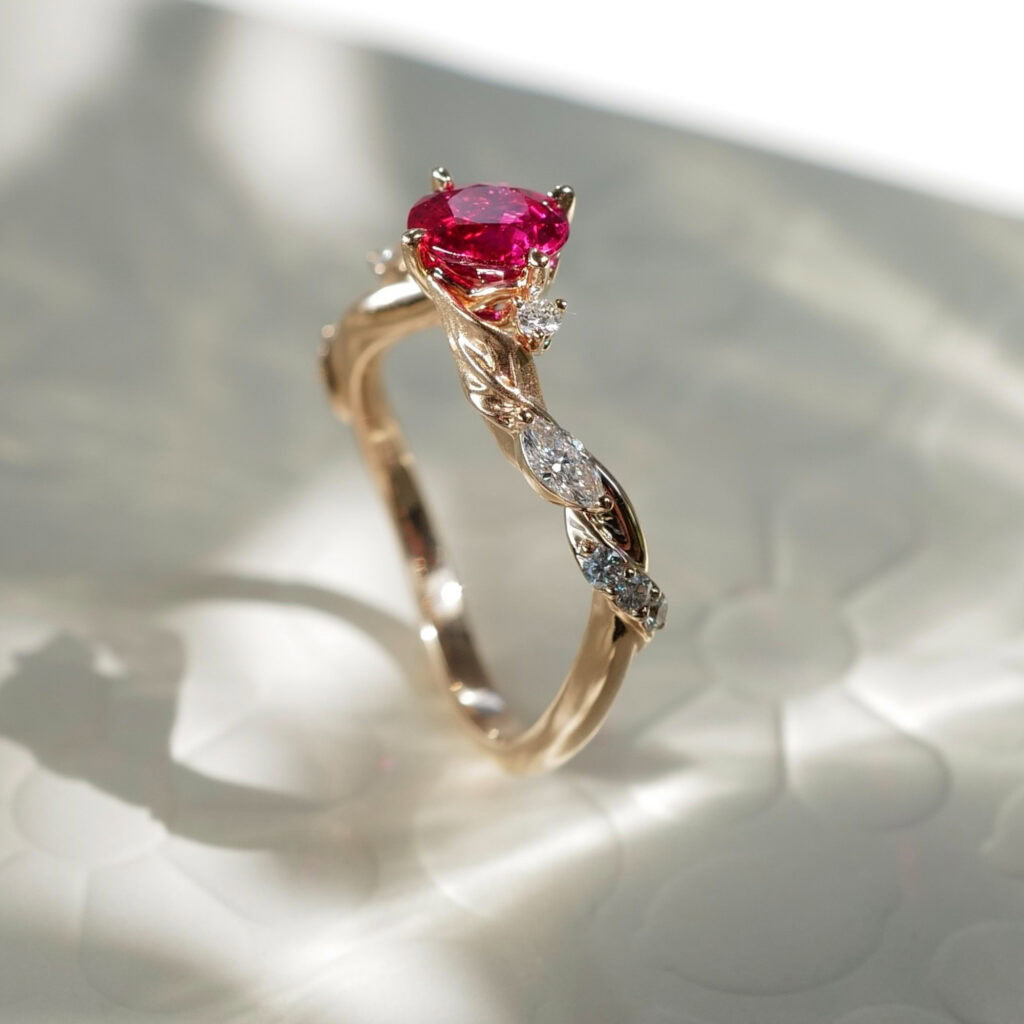
The strongest pieces usually feel continuous with the wearer’s existing world:
• their clothing
• their routines
• their gestures
• their sense of proportion
• their relationship with luxury itself
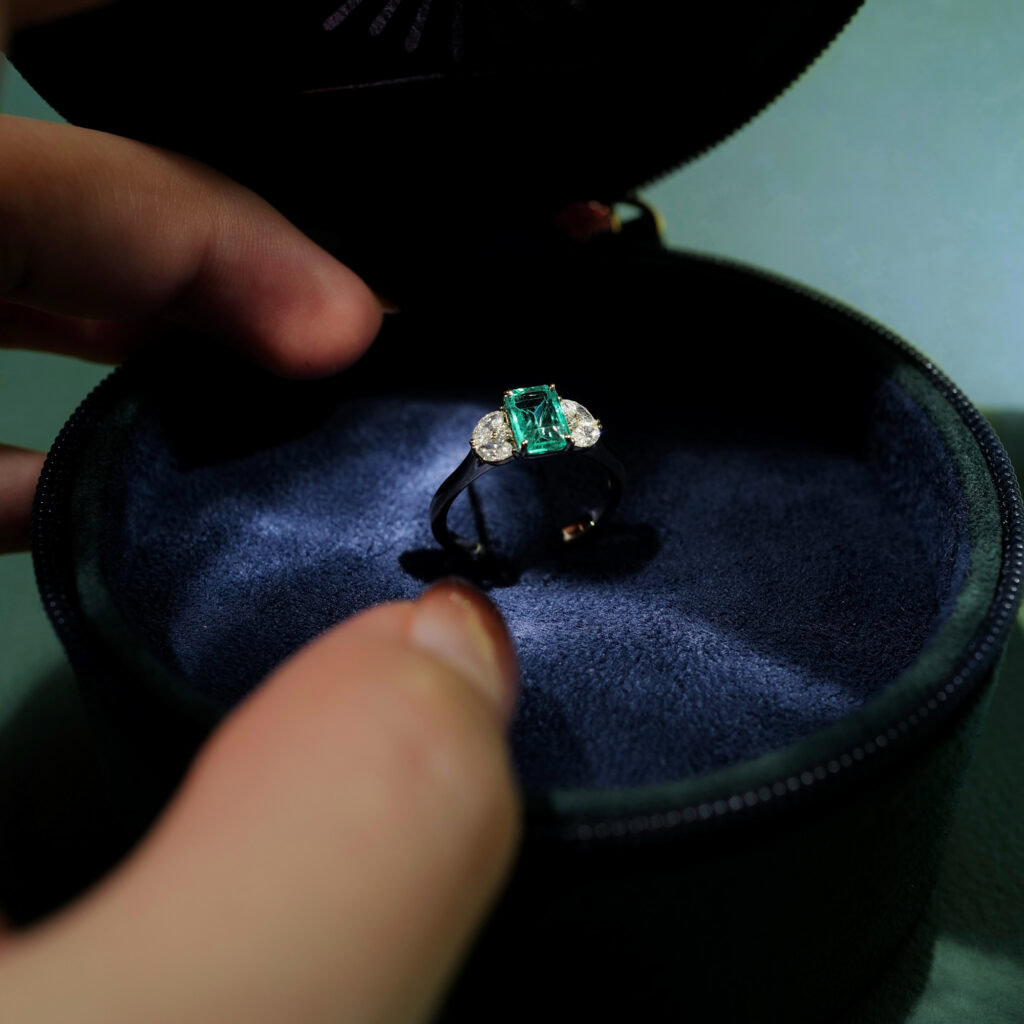
This is why trying on different styles matters profoundly. Often, the ring chosen confidently at the end of a consultation is entirely different from the one originally imagined.
Trends Rarely Translate Into Longevity
Engagement ring trends move far faster than most people realise.
Over the past decade alone, the market has shifted dramatically between:
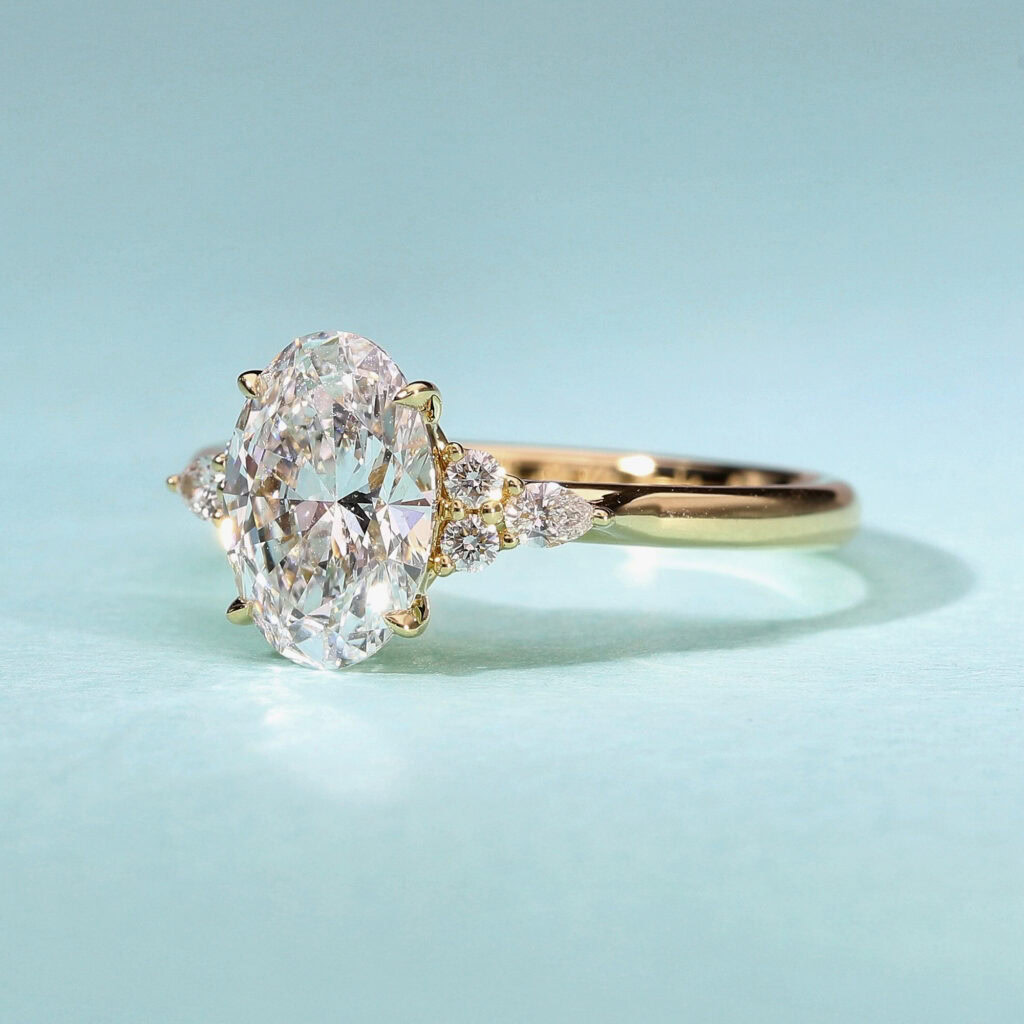
• halo settings
• ultra-thin bands
• elongated ovals
• toi et moi rings
• hidden details
• sculptural solitaires
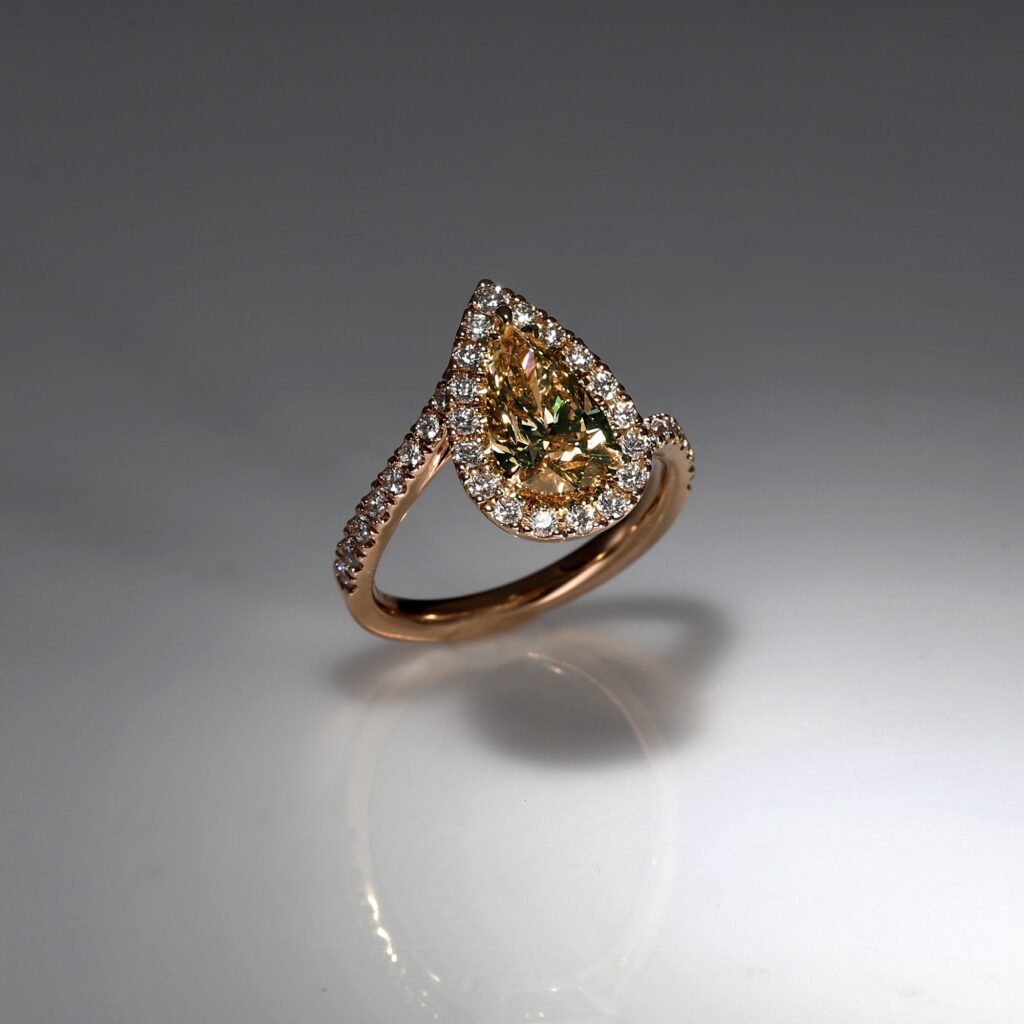
None of these directions are inherently problematic. The issue arises when a piece is selected primarily because it reflects a current visual language rather than a personal one.
The most enduring engagement rings are rarely the loudest. They are usually the designs with enough clarity, proportion, and individuality to remain compelling long after trend cycles shift.
This does not necessarily mean traditional solitaires alone. A bespoke creation can still feel highly distinctive while maintaining longevity, particularly when its design originates from the wearer’s own sensibilities rather than external pressure.
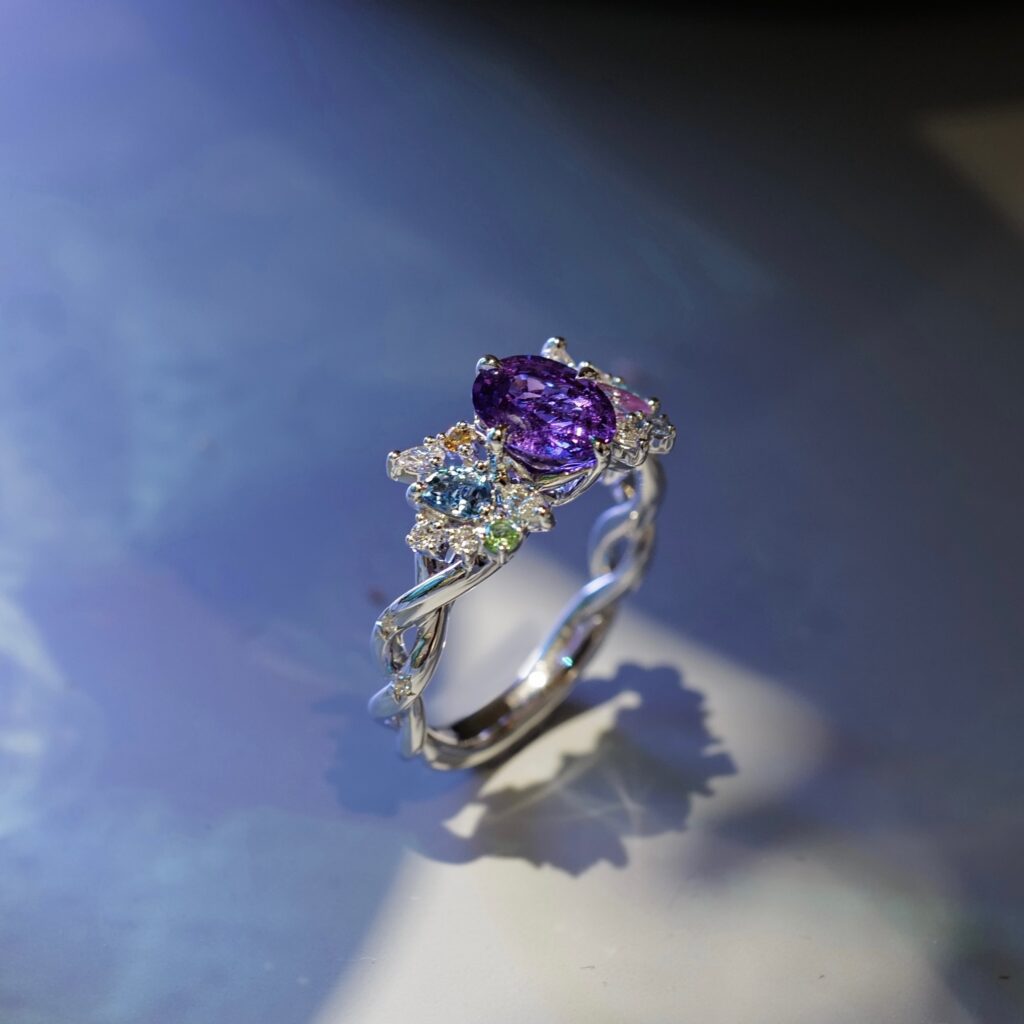
Why Bespoke Consultations Often Change Everything
Many clients arrive at a consultation expecting confirmation of a fixed idea. Instead, they leave with a deeper understanding of what genuinely resonates with them.
Sometimes this means discovering:
• that a softer silhouette flatters the hand more beautifully
• that warmer gold tones feel more natural against the skin
• that a smaller but finer-quality diamond creates stronger visual presence
• that an unconventional proportion feels unexpectedly elegant
• that simplicity allows exceptional materials to speak more clearly
This process is less about following rules and more about developing discernment.
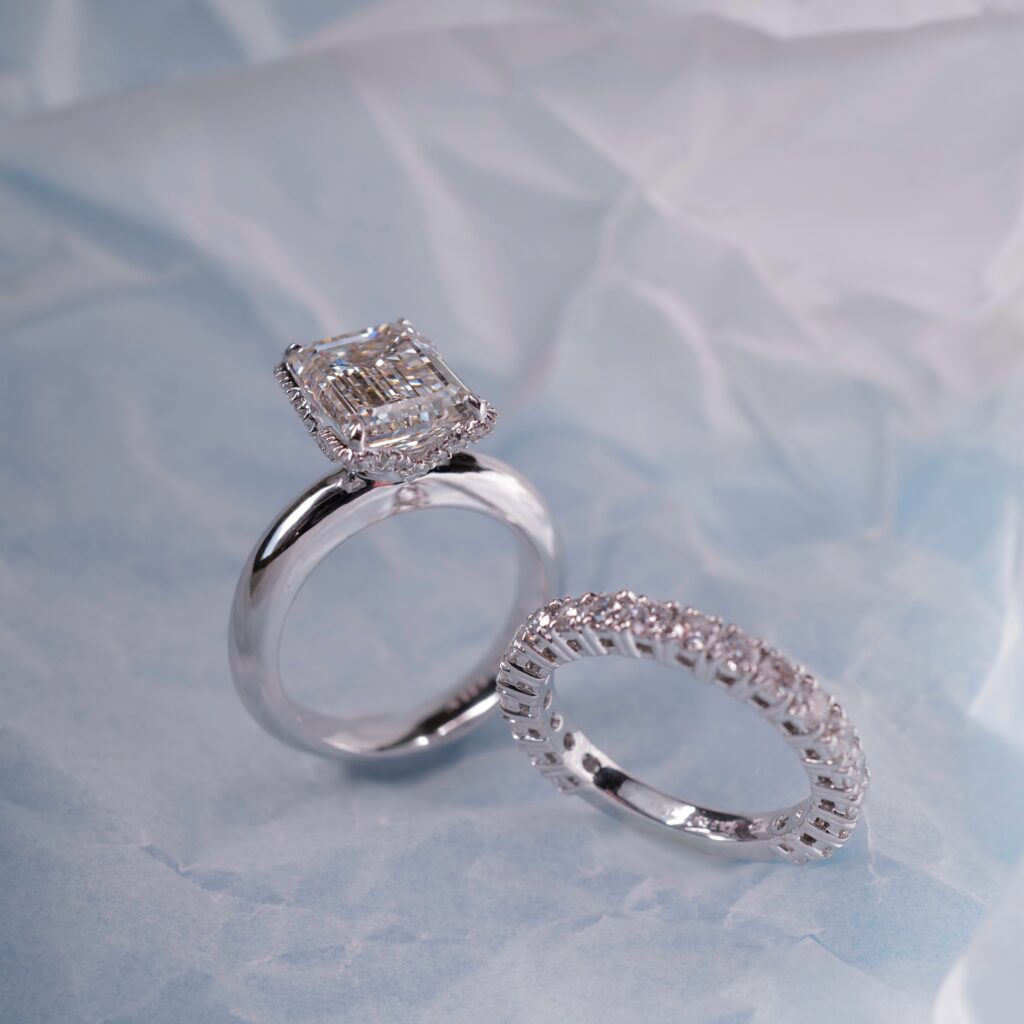
The goal is not simply to create an impressive ring. It is to create a piece that feels instinctively aligned with the person wearing it, today and years from now.
For us , the process often begins with an assumption and ends somewhere else entirely; once proportion, movement, and lived reality are placed above the initial image.