Summary:
- Observing your partner’s existing jewellery and style is the most reliable preparation before an engagement ring consultation in Singapore.
- A bespoke engagement ring requires an alignment of colour, cut, size and budget. Clarifying these priorities in advance provides the necessary framework for the design process, ensuring you move toward a final commitment with the confidence of an informed decision.
- Visual references, even imperfect ones, such as an art piece, a photo, a favourite flower or movie, give your designer insight and inspiration for the piece. Each consultation is a structured conversation designed to understand your needs before any recommendations are made.
- Arriving with specific questions about certification, revisions, timeline and aftercare helps keep the process clear and focused.
How to Prepare for Your Engagement Ring Consultation in Singapore
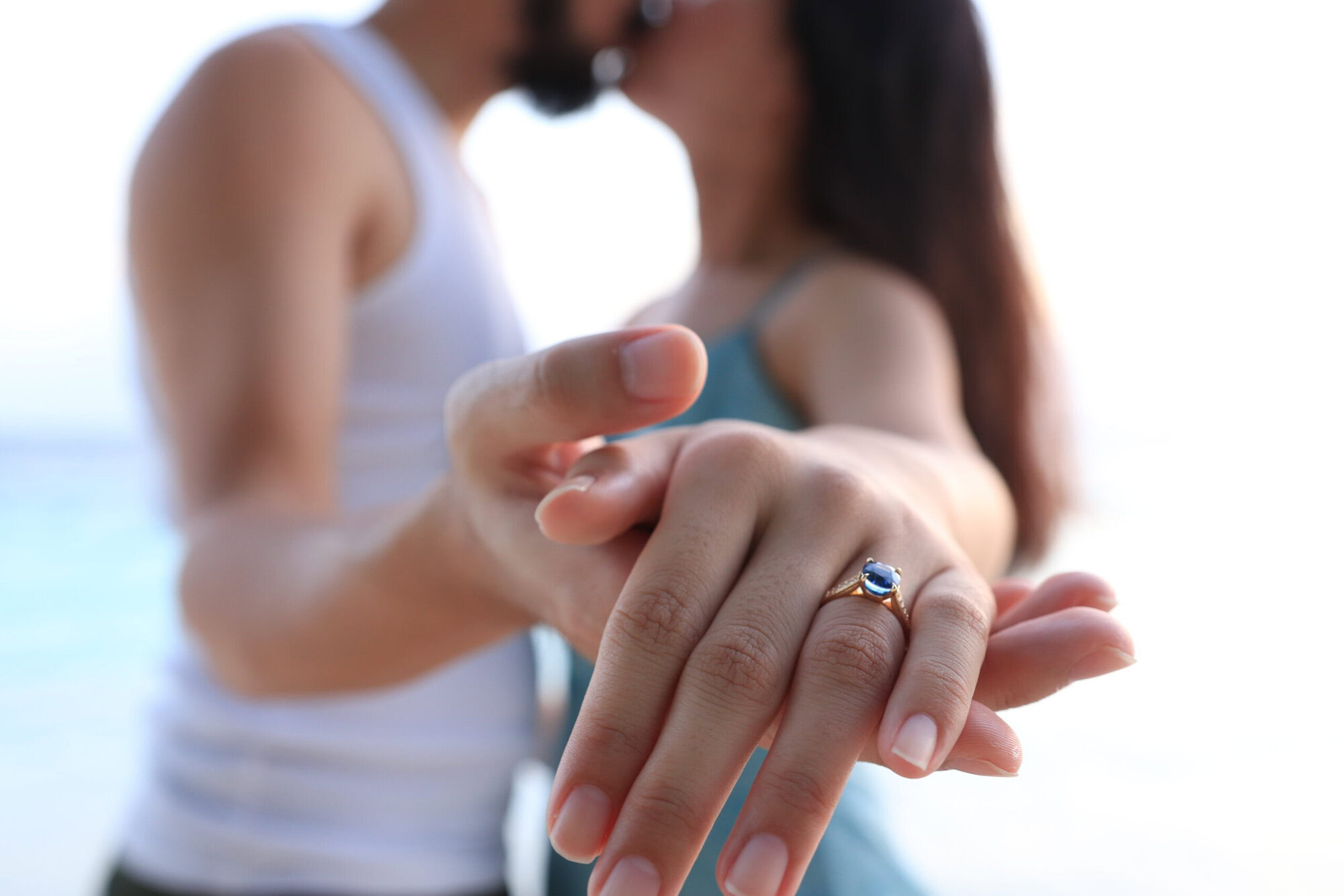
An engagement ring is made for that moment, and worn far beyond it. For couples choosing a customised engagement ring in Singapore, the process begins when you have made up your mind that you want something completely personalised.
There has been an increase in couples choosing between ready-made and bespoke designs, each offering a different starting point for the same intention.
There is no single way to begin, and every process takes shape differently. At Calla Lily, we guide you through the process, and a few early considerations can help bring clarity to the conversation.
Reading Your Partner’s Style Before the Ring Takes Shape
A ring comes together through context as much as design. It begins with the person who will wear it and the way it fits into their daily life.
Reading Your Partner’s Aesthetic
Pay attention to the jewellery already worn. It often offers a useful reference point:
- Minimal or layered
- Yellow gold or silver-toned
- Colour present, or kept neutral
- Stones, or none at all.
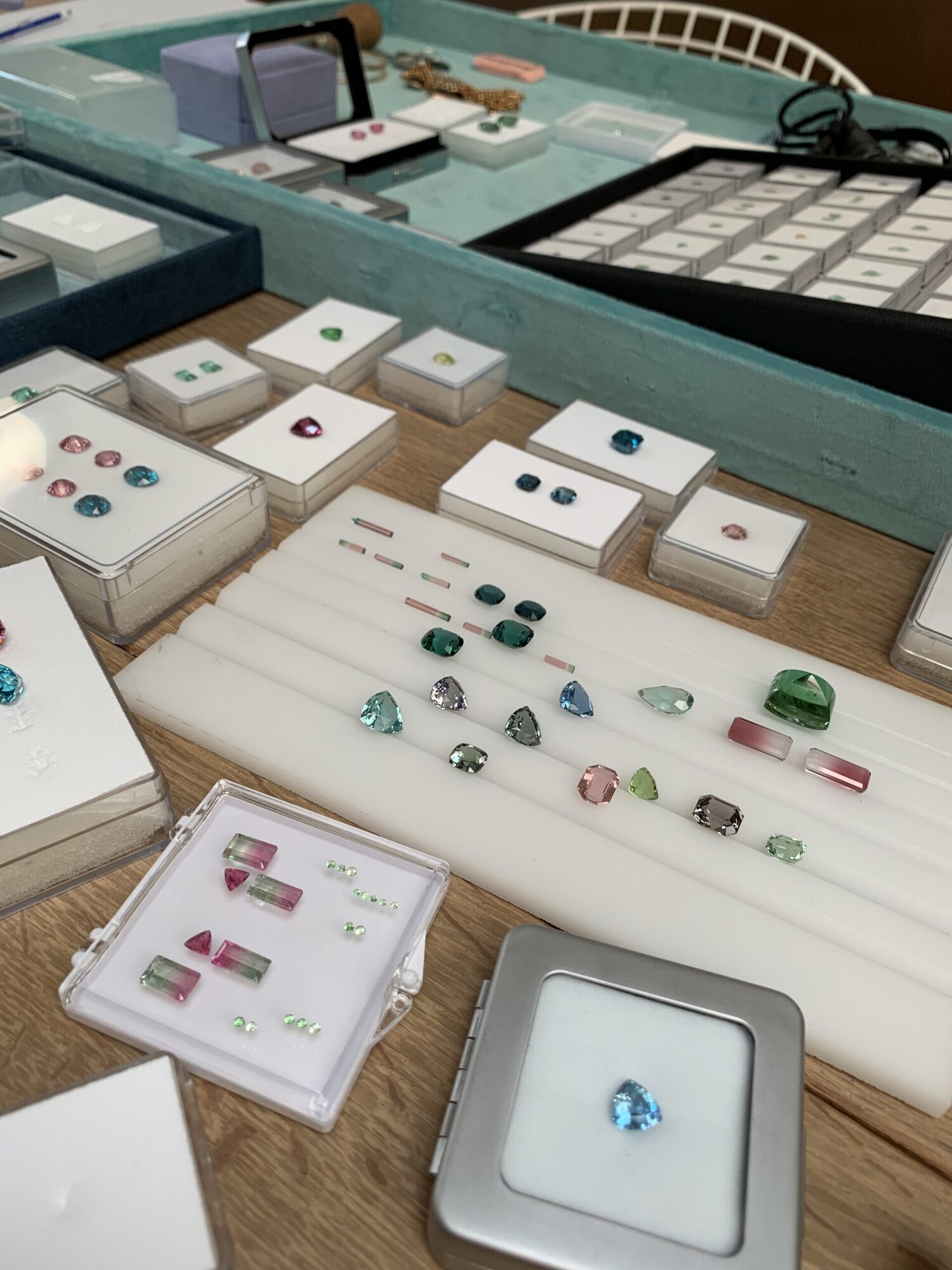
These choices often form a consistent thread. Someone drawn to structured, monochromatic pieces may prefer a ring with a similar restraint, while colour can signal openness to a coloured gemstone over a traditional diamond solitaire.
Preferences can also be read in clothing, daily dress, and personal belongings. Trusted friends or family can also offer a valuable perspective, sometimes noticing what the wearer may not.
The Design Decisions That Define a Customised Engagement Ring
You don’t need to arrive with everything decided, but it helps to have a sense of what you are drawn to. A few considerations can help shape the conversation.
Practical Considerations Before You Commit to a Design
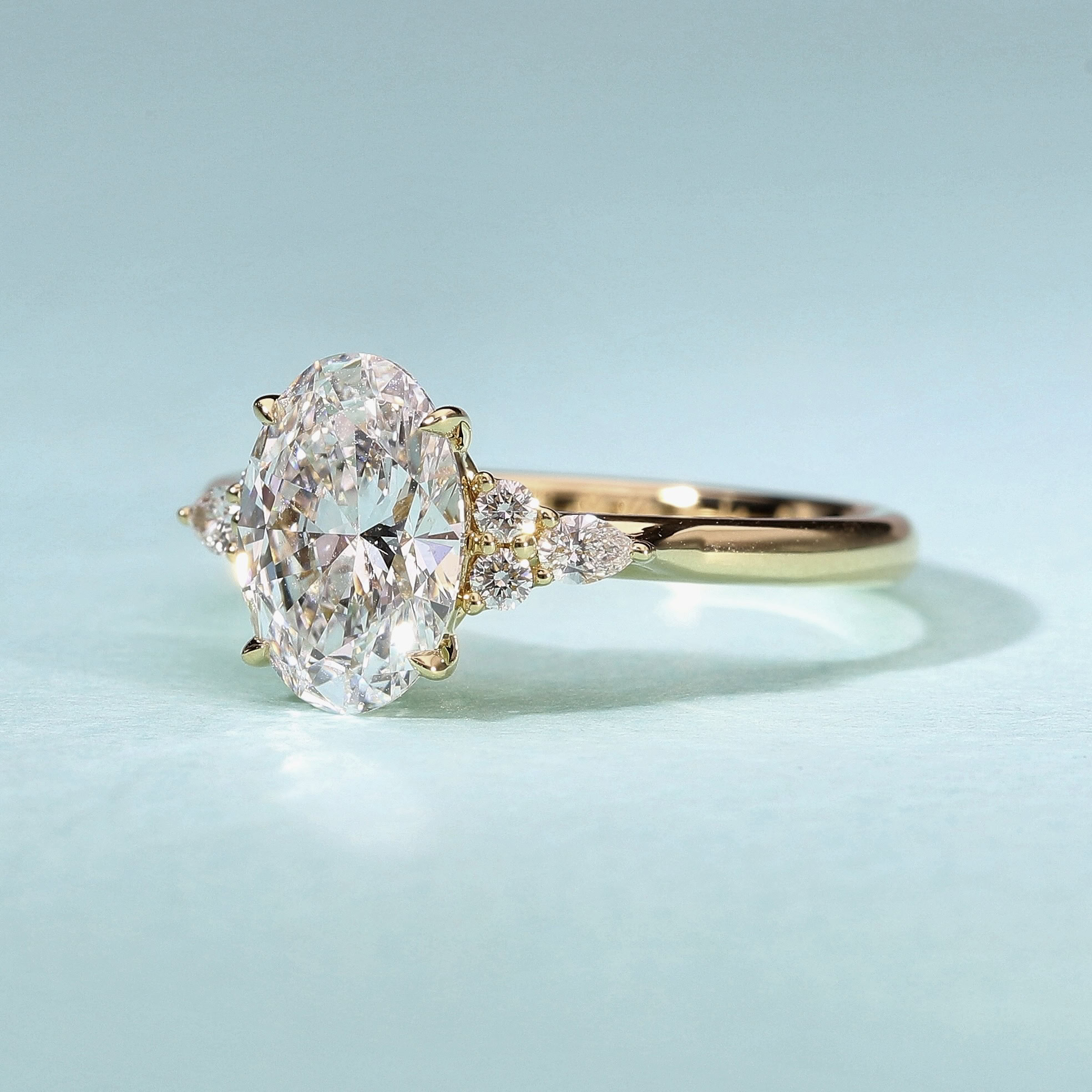
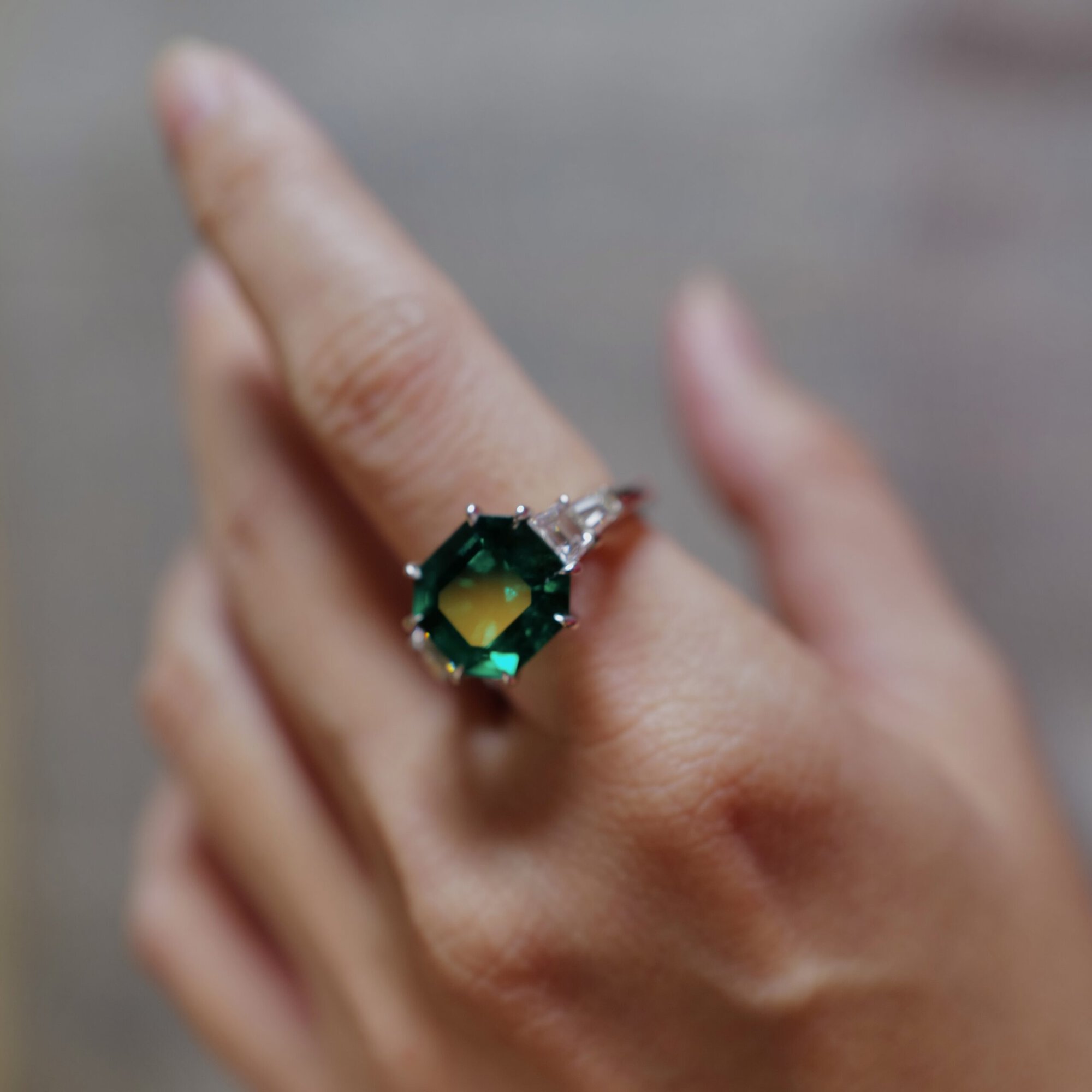
Stone colour and shape are often the first decision. Round brilliants remain the most widely chosen for diamonds. For colour gemstones, due to rarity and the nature of the rough, they come in various shapes, oval, elongated cushion, pear, and emerald cuts. Shape affects how the stone lies in the hand and how it reflects the colour through it. The Gemological Institute of America (GIA) provides useful reference materials on cut grades and their visual effects.
Setting style determines how the stone is held. Claw settings lift the stone, showing off its beauty, bezel settings enclose it in metal around the girdle and frame it, whilst pavé bands add sparkle. Each carries a distinct character, which is used depending on the style we are trying to achieve
Metal choice affects durability, colour, and how the ring wears over time. Platinum is harder-wearing and naturally white, while golds and their variations carry different tones of yellow, natural white, and rose gold.
Investment, Beyond a Fixed Number
Defining a budget range rather than a fixed figure allows for a more fluid exploration of stone grades and metal weights. This flexibility enables a designer to navigate various material options without compromising the integrity of the piece. Because designers are accustomed to working across a wide spectrum, early clarity on these parameters helps calibrate the direction of the project.
How References Shape the Direction of a Ring Design
References are useful to bring in, offering context for your jewellery designer to interpret.
Bring images of designs you like, and those you don’t. This helps establish direction and allows the designer to refine what matters most.
References also point to priorities. Consistently low-profile settings suggest comfort, while larger, more saturated stones suggest presence. Useful sources include jewellery design accounts on Instagram, Pinterest collections, and heirloom pieces that already reflect a familiar aesthetic.
Once you have a sense of your partner’s style and a few visual references, the next step is sitting down with our designer who can give those ideas shape.
Book a consultation to begin the conversation.
What to Expect at the Consultation
Our designers bring over a decade of industry expertise to the table, blending technical proficiency with a collaborative, creative approach. They serve as both guides and sounding boards, ensuring that the transition from a conceptual idea to a physical object is as seamless as it is imaginative.
What the Consultation Actually Looks Like
The first consultation is exploratory. The jewellery designer will ask about the wearer’s lifestyle, aesthetic preferences, and their everyday approach to jewellery. Think of us as jewellery therapists. The discussion will also cover the expected timeline and the intended investment.
From that conversation, a design direction is established — a sketch, a stone shortlist, or a mood board. Revisions are expected at this stage. Bespoke commissions typically take 3–7 months from consultation to completion. If a proposal date is in mind, it is worth factoring in early.
Important Topics in Your Consultation
These discussions typically cover three areas: the gemstone, the process, and the fittings.
Stone considerations typically include colour, quality and rarity, country of origin, and ethical sourcing practices. The process covers design revisions and production timelines. Aftercare includes warranty coverage, resizing, and maintenance requirements.
These are questions a confident, transparent jeweller will be comfortable addressing.
Calla Lily, Where Meaningful Engagement Ring Designs Take Shape
In Singapore, one jeweller continues to shape these stories with precision and care. At Calla Lily, bespoke design is a collaborative process, guided by longevity.
The process of commissioning an engagement ring in Singapore begins simply, through a conversation and the articulation of preferences. From this initial dialogue, the design takes its form.
Explore Calla Lily’s engagement and wedding ring process, and book a consultation to begin.